



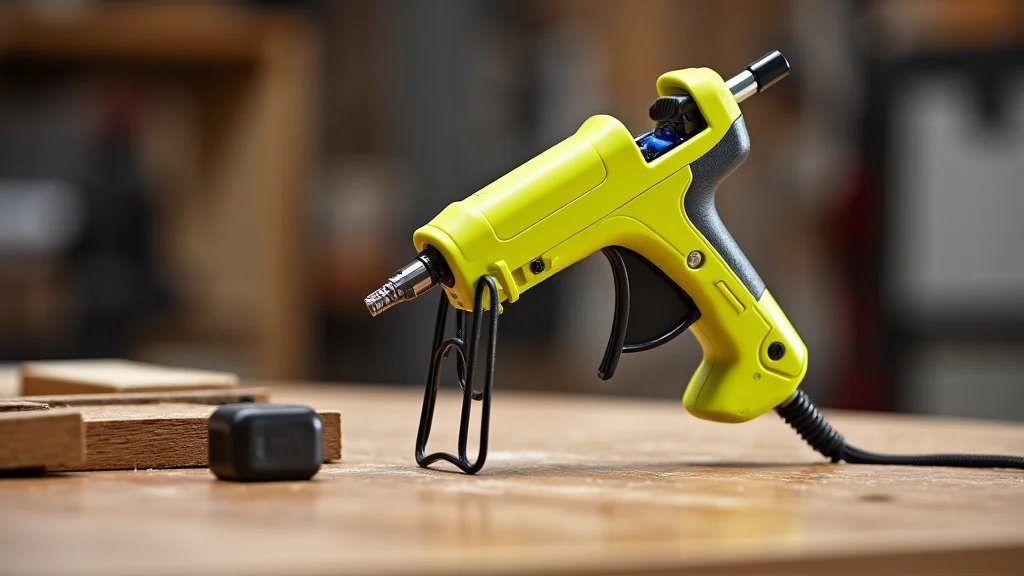
Picture this: you’re knee-deep in a crafting project, desperately needing to attach something, and the adhesive you’re using just isn’t cutting it. That’s when a reliable hot glue gun Ryobi enters the scene like a hero! This guide will transform your projects, whether you’re a seasoned DIY enthusiast or just starting. You’ll get hands-on tips and tricks, and learn everything you need to know about these tools. This will boost your creative projects, and help you choose the best hot glue gun Ryobi model for your unique needs. Prepare to transform your approach to crafting!
Key Takeaways
- Discover the features and advantages of using a hot glue gun Ryobi.
- Learn about various applications across different projects and materials.
- Understand the different Ryobi models and their unique specifications.
- Get expert advice on safely operating and maintaining your glue gun.
- Uncover tips and troubleshooting common issues for effective use.
- Find recommendations for selecting the ideal model based on your needs.
Unveiling the Essentials of a Hot Glue Gun
The core concept behind a hot glue gun is simple: apply heat to melt a solid adhesive, which then cools and hardens to create a bond. The device itself is composed of a heating element, a chamber for the glue stick, and a nozzle for dispensing the molten adhesive. The process starts when you it melts. The melted glue then flows out the nozzle, ready for application. This technology ensures the fast and efficient bonding of various materials.
Inside the Mechanism
The internal structure of a hot glue gun plays a key role in its performance. It includes the heating element, which is usually a resistor that converts electrical energy into heat. There is also a trigger mechanism to advance the glue stick and control the flow of the glue. The nozzle design is also critical; it determines the glue’s flow rate and precision. Some models include safety features like insulated nozzles and automatic shut-off to prevent burns and conserve energy. This design helps users precisely control their application and enhance their projects.
The heating element is often made from ceramic or PTC (Positive Temperature Coefficient) materials. PTC elements are self-regulating; they generate less heat as the temperature rises, thus preventing overheating. The temperature can vary from 250 degrees Fahrenheit to 400 degrees Fahrenheit, depending on the model and the type of glue being used. The nozzle’s design also greatly affects the ease of use. A wider nozzle will dispense more glue at once, which is helpful for bigger projects. A finer nozzle allows for more precision for detailed crafts.
- Heating Element: This component is responsible for melting the glue sticks. Quality of the heating element impacts the speed at which the glue melts, and the overall temperature.
- Trigger Mechanism: The trigger controls the flow of glue, offering the user control.
- Nozzle Design: The shape and size of the nozzle impact the precision of the glue application.
- Safety Features: Features like auto-shutoff and insulated nozzles improve user safety and energy efficiency.
Material Compatibility and Applications
The versatility of a hot glue gun Ryobi is a major advantage. You can use it on a vast variety of materials, from wood and fabric to plastic and metal. Glue guns are great for simple crafts to complex tasks. These versatile tools are useful in numerous applications, making them a must-have for DIY enthusiasts. This broad compatibility makes these tools an excellent addition to your toolbox.
Consider the projects you regularly undertake. For example, creating a scrapbook involves working with paper and cardboard. A fabric project might require a glue gun for attaching embellishments or reinforcing seams. Woodworking often includes gluing pieces together or securing small parts. The correct selection of glue sticks will make your projects much easier to complete.
- Crafting: Perfect for scrapbooking, making decorations, and assembling various craft projects.
- Repairing: Ideal for fixing household items like broken toys, loose furniture parts, and decorative pieces.
- Home Improvement: Useful for attaching trim, molding, or other fixtures that require quick and strong adhesion.
- Fabric Projects: Great for adhering fabric pieces together, attaching embellishments, and working on costumes.
Benefits of Choosing a Hot Glue Gun Ryobi
Ryobi has earned a reputation for dependable power tools, and its hot glue gun models are no exception. The company provides models for various user levels, from casual hobbyists to professionals. These tools combine power with convenience, making them very popular. Ryobi’s glue guns are also known for their long life and ease of maintenance, making them a worthwhile investment for any workshop.
Power and Performance
Ryobi glue guns are generally designed for ease of use and efficient operation. Many models come with rapid heat-up times, which means less waiting and more doing. The power rating varies, but most models offer sufficient heat output for a wide range of tasks. Features like variable temperature settings allow users to change the tool’s performance based on the project’s requirements. This flexibility makes Ryobi glue guns suitable for projects of every kind.
The power and performance depend on the specific model. Higher-wattage models heat up faster and have a greater capacity for melting glue, which is great for continuous work. The design often includes ergonomic grips and easy-to-use triggers to make long periods of operation comfortable. Ryobi designs its tools to balance power with user comfort.
- Fast Heating: Many Ryobi glue guns can heat up in under 3 minutes.
- Variable Temperature: Several models provide temperature settings.
- Ergonomic Design: The tools are designed with comfort and ease of use in mind.
- Cordless Options: For enhanced portability and freedom of movement.
Durability and Design
Ryobi tools are usually designed for heavy-duty use. The glue guns have sturdy construction to withstand the rigors of frequent use. High-quality materials, such as durable plastics and metal components, ensure that the tools can handle everyday tasks. The design also often includes features like integrated stands to hold the glue gun upright when not in use, which prevents glue drips and improves safety. These attributes contribute to the longevity and user-friendliness of Ryobi glue guns.
Ryobi’s design features often include features to increase the tool’s effectiveness. The nozzles are typically designed to provide consistent glue flow. The cordless models incorporate battery technology, ensuring lasting performance. Many Ryobi tools, including glue guns, are part of the ONE+ system, which means that the same battery can power multiple tools. This compatibility reduces cost and makes it easier for users to manage their tools.
- Robust Construction: Built to withstand regular use and tough conditions.
- Ergonomic Features: For comfortable and prolonged use.
- Quality Materials: Durable materials, ensuring tool longevity.
- Battery Compatibility: Many models work with the ONE+ battery system, offering convenience and cost savings.
Exploring Different Ryobi Hot Glue Gun Models
Ryobi provides a range of hot glue gun models, each with specific features. Consider the projects you plan to use the tool for. Models vary based on power source (corded or cordless), heat-up time, temperature settings, and the types of materials the glue can be used on. This section will guide you through the key specifications of each model, helping you find the perfect match for your needs.
Corded vs. Cordless Models
Choosing between corded and cordless models depends on your project needs. Corded glue guns offer constant power, so you don’t need to worry about the battery running out. Cordless models provide increased mobility, freeing you from power outlets and enabling work in difficult areas. Choosing the right kind for you will boost your work’s efficiency.
Corded models are an excellent choice if you have a reliable power outlet near your workspace. They heat up quickly and provide continuous power. On the other hand, cordless models, often powered by Ryobi’s ONE+ battery system, provide you with flexibility. With a cordless glue gun, you can take your projects to remote locations. Assess your work style to decide which of these choices will give you the best experience.
- Corded: Provides consistent power; ideal for extended use in a fixed location.
- Cordless: Offers mobility and eliminates the need for power outlets; great for on-site projects.
- Battery Life: Assess the expected battery life if you select a cordless model.
- Power: Corded models offer constant power, while the power output of cordless models varies by battery type.
Key Features and Specifications
When selecting a hot glue gun Ryobi, it’s key to study the features. These tools often have specifications that impact performance, like temperature control and heat-up speed. Other considerations include the size of the glue sticks, the nozzle design, and safety features like automatic shut-off. This section will go over the specs to help you choose the best tool for your projects. Paying close attention to these details can impact user experience and the project’s quality.
Temperature control is essential. Some models offer fixed temperature settings, while others have adjustable controls to match different materials. Consider the nozzle type; some are designed for precision, while others offer broad coverage. Look for models with an ergonomic design to ensure comfort during lengthy projects. Safety features, such as insulated nozzles and auto shut-off, are also important to prevent accidents and conserve power. Checking the specifications of the glue gun will help you choose the best one for your needs.
- Temperature Control: Adjustable settings for different materials.
- Heat-Up Time: Rapid heat-up minimizes downtime and improves efficiency.
- Nozzle Design: Various nozzle sizes and styles to fit different applications.
- Safety Features: Auto shut-off and insulated nozzles to improve safety.
Safe Operation and Maintenance Tips
Operating a hot glue gun safely is key. This includes using the right glue sticks, preventing burns, and storing the tool properly. Following safety precautions protects the user and the tool itself. Regular maintenance, such as cleaning the nozzle and storing the tool in a safe place, can extend the life of the glue gun. Taking these steps is very important for safe and successful projects.
Safety Precautions
The first rule is to always use the glue gun in a well-ventilated space. Avoid contact with the hot nozzle and melted glue to prevent burns. Never leave the glue gun unattended while plugged in or on. Be sure to unplug it when not in use. Read all the instructions before starting to use the tool. These safety tips are intended to prevent accidents and ensure your safety during use.
Wear protective eyewear to shield your eyes from glue splatters. Place the glue gun on a stable surface while it’s heating. Use heat-resistant surfaces to protect your workspace from glue drips. Children should always be supervised. With a hot glue gun Ryobi, safety should always be your main concern.
- Ventilation: Use in a well-ventilated area to avoid inhaling fumes.
- Protective Gear: Wear safety glasses and gloves when needed.
- Supervision: Always supervise children during use.
- Surface Protection: Use a heat-resistant surface to protect the work area.
Maintenance and Cleaning
Regular maintenance will help to keep your hot glue gun Ryobi in top working condition. Clean the nozzle to remove any residual glue that can block the flow. Store the tool in a dry place to prevent moisture damage. Inspect the power cord for any damage. Following these maintenance guidelines will ensure the glue gun lasts a long time.
To clean the nozzle, let the glue gun cool down completely, and then carefully remove any solidified glue with a soft cloth or a non-abrasive tool. Never use sharp objects that can damage the nozzle. Inspect the power cord and plug for any signs of wear and tear, and replace the cord if needed. Proper storage in a cool, dry place can extend the life of your glue gun.
- Nozzle Cleaning: Regularly clean the nozzle to prevent glue buildup.
- Cord Inspection: Check the power cord for any damage.
- Proper Storage: Store the glue gun in a clean, dry place.
- Glue Stick Removal: If you don’t plan to use the gun for a while, remove the remaining glue stick.
Troubleshooting Common Issues
Even the best tools can have problems sometimes. Knowing how to resolve common problems with your hot glue gun Ryobi can save time and frustration. From dealing with a clogged nozzle to ensuring the tool heats properly, this section provides solutions. Troubleshooting can make your projects go smoother.
Glue Not Flowing
If the glue is not flowing, there could be an obstruction. The nozzle might be clogged. Check that the glue stick is correctly might be internal issues that require professional attention. This section can help you get the glue flowing.
If the nozzle is clogged, carefully clean it with a small tool, like a toothpick. Verify that the glue sticks are inserted correctly. Make sure that the glue sticks you use are designed for the glue gun. Confirm that the tool is powered on and has reached its operational temperature. If it does not heat up, check the power source, and replace the unit if the issue continues.
- Clogged Nozzle: Clean the nozzle using a small, non-abrasive tool when the tool is unplugged.
- Incorrect Glue Stick: Confirm the glue sticks are the right size and type.
- Heating Issues: Make sure the tool heats up to the required temperature.
- Trigger Malfunction: Check the trigger mechanism for any blockages or issues.
Overheating and Other Problems
Overheating can occur if the glue gun is used for too long or if it is defective. If the tool overheats, unplug it and let it cool before further use. Other issues include uneven glue distribution. This can be caused by problems with the nozzle, the trigger, or the type of glue stick being used. Correctly identifying these problems is the first step toward finding solutions. This will ensure that the tools last.
If overheating occurs, give the tool time to cool. If the glue is not distributing evenly, check the nozzle for obstructions, and clean the nozzle if needed. Make sure you’re using the correct type of glue sticks for the project. For other issues, such as electrical problems, it’s best to consult the manufacturer’s user manual.
- Overheating: Unplug the tool and let it cool down; avoid extended use.
- Uneven Glue Distribution: Clean the nozzle and make sure the glue stick is inserted properly.
- Electrical Issues: Check the power cord, and contact a professional if issues continue.
- Trigger Problems: Check the trigger and clear any blockages for smooth glue flow.
Choosing the Right Model for Your Needs
Selecting the best hot glue gun Ryobi depends on your projects. Consider the scale, materials, and frequency of your work. Cordless models are best for portability, while corded models are great for steady, continuous work. Consider your project’s demands, and choose the features that meet your needs. By taking these factors into account, you can be sure of having the proper tool for your needs.
Assessing Your Projects
To choose the correct glue gun, think about the kind of projects you typically do. Small crafts usually require a lightweight tool with precise control. Larger projects that use a lot of glue require a higher-capacity gun that heats up quickly. Evaluate the materials that you work with regularly. The correct glue gun model should make your projects easier. This assessment is essential for a good choice.
For detailed crafting, look for models with fine-tip nozzles and adjustable temperature settings. For large-scale projects, choose models with high glue output and rapid heat-up times. Think about the types of materials you frequently work with. The glue gun needs to be compatible with these materials. Assess the project complexity and size. This way, you can pick the right hot glue gun Ryobi.
- Project Type: Consider what types of projects you typically do (e.g., crafts, repairs, home improvement).
- Material Compatibility: Make sure the glue gun is compatible with the materials you use.
- Scale and Complexity: Decide if you need a gun for detailed or large-scale projects.
- Frequency of Use: Evaluate how often you plan to use the tool.
Model Recommendations
For beginner crafters or people who only use glue guns occasionally, Ryobi’s basic models are a good choice. These models offer essential functions, making them user-friendly. For frequent users or those who work on bigger projects, investing in a high-capacity or professional-grade model will provide more power and efficiency. Selecting the right model ensures the tool is aligned with your needs.
Beginners may appreciate corded models due to their simplicity and continuous power. For more frequent users, cordless models will offer greater flexibility and convenience. Look for models with adjustable temperature settings to handle a wide range of materials. Consider the Ryobi ONE+ series if you already use Ryobi tools, as these models are powered by the same battery system. This provides a great balance of performance and value.
| Feature | Beginner/Occasional User | Frequent/Professional User |
|---|---|---|
| Power Source | Corded | Cordless (Ryobi ONE+ system) |
| Temperature Control | Fixed or Adjustable | Adjustable, with higher maximum temperature |
| Nozzle Type | Standard | Various sizes, including fine-tip nozzles |
| Battery Life | Not Applicable | Longer battery life or multiple batteries |
Common Myths Debunked
Myth 1: All Hot Glue Guns Are the Same
In reality, hot glue guns vary greatly in features, quality, and capabilities. These tools differ in power, temperature control, and design. Some models offer variable temperature settings for different materials, while others feature advanced safety components, like auto shut-off. The range in performance can greatly impact the outcome of a project.
Myth 2: Hot Glue Is Only for Crafts
Many think hot glue guns are just for arts and crafts. While they are very popular with crafters, these tools are also great for various uses. From home repairs and simple fixes to securing wires and assembling models, hot glue can do a lot. They are versatile, and the choice of the appropriate glue stick expands their range even further.
Myth 3: High Temperatures Always Mean a Better Bond
While higher temperatures are good for some materials, this isn’t always the case. Using excessive heat can damage some materials, particularly plastics and delicate fabrics. A lower temperature might be more appropriate for these materials. Temperature control gives you more versatility and lets you get the most out of your glue gun.
Myth 4: All Glue Sticks Are the Same
Not all glue sticks are the same. Different glue sticks are designed for different materials and applications. There are special sticks for wood, fabric, metal, and various other materials. Certain sticks are clear, while others are colored. Using the correct glue stick is essential for getting a lasting bond.
Myth 5: Cordless Glue Guns Are Less Powerful
This is often not true. While older cordless models were less powerful, modern technologies have improved things. Modern cordless models use advanced battery technology and improved heating elements to deliver levels of power comparable to corded tools. The convenience of cordless models makes them great for on-site or mobile jobs.
Frequently Asked Questions
Question: What is the best type of glue stick to use with a Ryobi hot glue gun?
Answer: It depends on the project. For general-purpose projects, use all-purpose glue sticks. For specific materials like wood, fabric, or plastic, there are special-purpose glue sticks designed to bond to those materials better.
Question: How long does it take for a Ryobi hot glue gun to heat up?
Answer: Heat-up times vary by model, but most Ryobi hot glue guns heat up in 3 to 5 minutes.
Question: Can I use different temperature glue sticks in the same Ryobi hot glue gun?
Answer: Yes, but only if the glue gun has variable temperature settings. For a model with only one temperature setting, it’s best to use glue sticks that are compatible with that specific temperature.
Question: How do I clean a clogged nozzle on a hot glue gun?
Answer: Let the glue gun cool completely, then use a small, non-abrasive tool (like a toothpick) to carefully remove any solidified glue from the nozzle opening.
Question: What should I do if my Ryobi hot glue gun is not working?
Answer: First, check the power source. Ensure the glue gun is plugged in and turned on. If it still does not work, check the nozzle for obstructions, and inspect the heating element. Also, check the fuse, if your model has one. Refer to the manual for specific troubleshooting steps, or contact Ryobi customer service.
Final Thoughts
The hot glue gun Ryobi is a great tool for a multitude of projects. The features offered across Ryobi’s models allow for efficient, reliable gluing. These tools are flexible for various projects, and the ease of operation makes them good for all users. The cordless models provide mobility, and the robust design means these tools will last for years. Make sure to consider the kinds of projects you are working on, the materials used, and the frequency of use. With the right hot glue gun Ryobi in hand, you can explore many possibilities, from crafting at home to more complex tasks, so start creating today!

Leave a Reply