



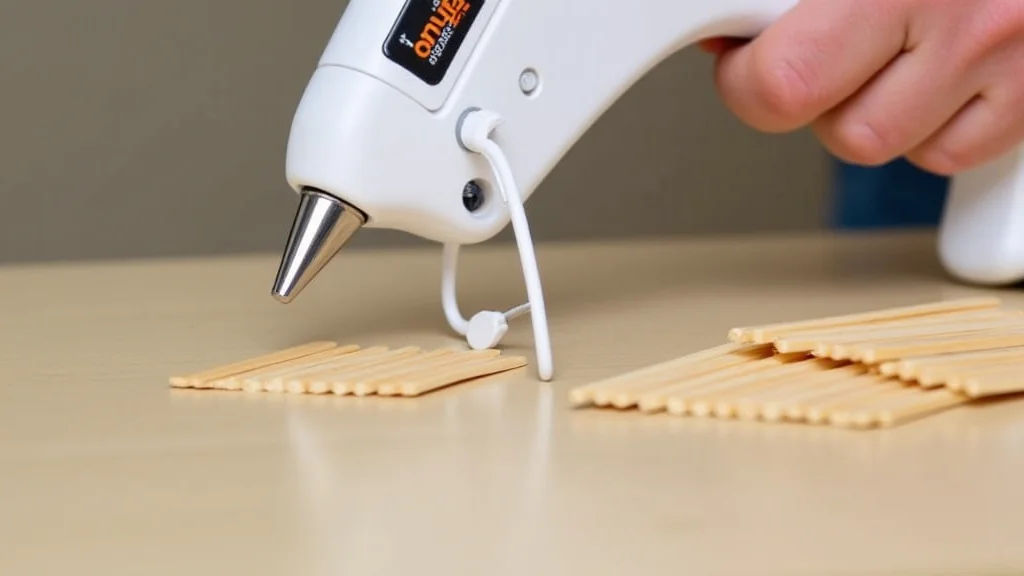
Remember that time you tried to fix a broken toy with tape, only to have it fall apart again a few minutes later? Frustrating, right? Well, if you had a hot glue gun with glue sticks, that repair would have lasted much longer! This post will help you become a hot glue gun expert, explaining how they work, what projects you can do, and how to stay safe. You’ll learn the best ways to use them, the types of projects that are perfect for them, and how to avoid common mistakes. Get ready to create amazing crafts and repairs!
Key Takeaways
- Learn how a hot glue gun with glue sticks actually works, from start to finish.
- Discover the different types of glue sticks and when to use each one.
- Find out about various hot glue gun projects, from simple crafts to more complex builds.
- Get practical safety tips to keep you safe while using a hot glue gun.
- Learn troubleshooting tips for common hot glue gun issues.
- Get inspired to create projects with hot glue guns.
Understanding the Basics of a Hot Glue Gun
A hot glue gun with glue sticks is a simple yet incredibly useful tool. It takes solid glue sticks and melts them, allowing you to bond materials together. The melted glue cools quickly, forming a strong and instant bond. This makes it perfect for a variety of projects, from quick fixes around the house to crafting intricate decorations. But how does this little device actually work? Let’s break it down to see how you can benefit from its capabilities.
How a Hot Glue Gun Operates
The core function of a hot glue gun with glue sticks relies on a heating element and a trigger mechanism. You the glue goes. The design is engineered for both ease of use and efficiency, making it a valuable tool for anyone.
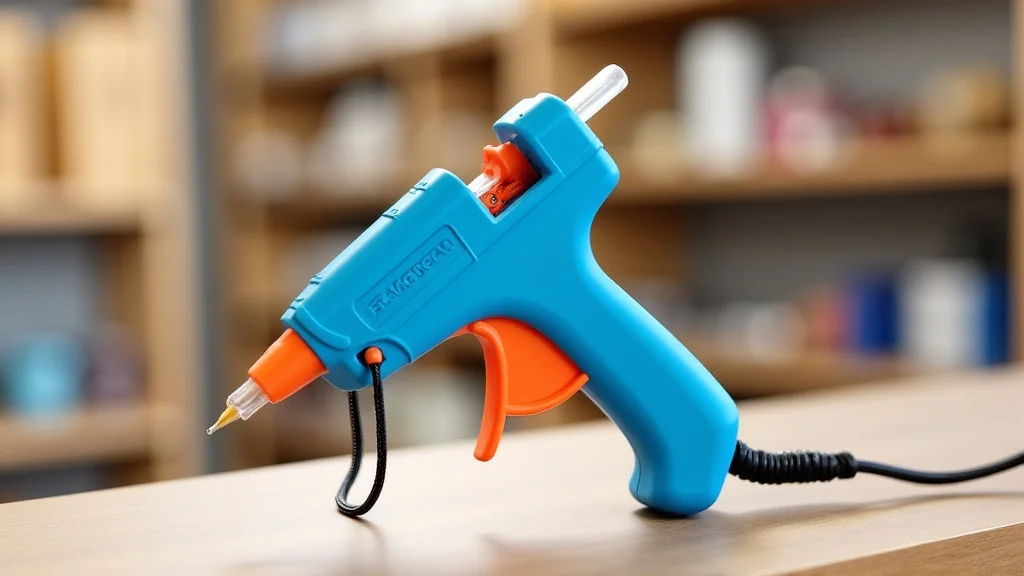
- The Heating Element: This is the heart of the hot glue gun. It’s usually an electric coil that heats up, melting the glue stick inside the chamber. The temperature is carefully controlled to prevent the glue from burning or not melting properly.
- The Trigger Mechanism: The trigger is the part you squeeze to push the glue stick forward and dispense the melted glue. This gives you control over the amount of glue you use and where it goes.
- The Nozzle: This is the tip where the glue comes out. It can vary in size and shape depending on the gun. Some have replaceable nozzles for different project needs.
The heating element’s efficiency directly impacts how quickly your hot glue gun with glue sticks is ready to use and how smoothly the glue flows. Different models use varying amounts of power to reach their operating temperatures. Always select a hot glue gun that is suitable for the type of projects you will undertake. For crafting, lower wattage models may suffice. For larger projects, a higher wattage hot glue gun will expedite the heating process and ensure a continuous flow of glue.
The trigger mechanism is a crucial feature that provides precision and control over glue application. The trigger can be either manual, where the user physically applies pressure, or spring-loaded, which offers easier operation. The design of the trigger affects user fatigue during prolonged projects. Many hot glue guns have an ergonomic trigger design to enhance comfort, particularly during tasks that require a lot of glue. Some models even feature adjustable triggers, allowing you to control the flow rate of the glue.
The nozzle is the part of the hot glue gun through which the melted glue exits. The design affects the precision and the amount of glue that is dispensed. Many nozzles are made of materials that can withstand high temperatures, such as metal or high-temperature plastics. Different nozzles shapes and sizes are available: narrow nozzles for fine details, and wider nozzles for larger areas. Some nozzles come with built-in features to reduce dripping and prevent burns. When choosing a hot glue gun, consider the nozzle design. The correct nozzle size is important to ensure efficient glue application, and it depends on your specific crafting or repair needs.
Types of Glue Sticks to Use
Not all hot glue gun with glue sticks are created equal. Different types of glue sticks are available, each designed for specific purposes and materials. Some are strong and suited for heavy-duty projects, while others are flexible for crafts. Choosing the right type of glue stick can be as important as the glue gun itself. Let’s explore the various options.
- Standard Glue Sticks: These are the most common type and are perfect for general crafting and household repairs. They work well with paper, cardboard, fabric, and some plastics.
- High-Temperature Glue Sticks: These glue sticks require a higher temperature to melt and create a stronger bond. They’re ideal for materials such as wood, metal, and certain plastics.
- Specialty Glue Sticks: These include colored, glitter, or flexible glue sticks. They offer specific features like adding color to crafts or providing a flexible bond for items that may need to bend.
Standard glue sticks are versatile and are great for a variety of tasks. They are clear or slightly yellow when melted and provide a good bond for many materials. They are a good option for beginners and for projects where the bond doesn’t need to be extremely strong or heat-resistant. Choose these if you’re working on simple projects such as gluing paper crafts or attaching lightweight decorations. These sticks typically melt at lower temperatures. They’re therefore safe for use with basic crafting activities.
High-temperature glue sticks, or heavy-duty glue sticks, are designed to create a strong, lasting bond, especially with tough materials. They are capable of withstanding more stress, weight, and heat. Because they require a higher melting point, they are perfect for projects that will experience wear and tear, or are exposed to the elements. They may also be used for household repairs. Be sure your hot glue gun with glue sticks is designed to handle these higher temperatures.
Specialty glue sticks offer features that go beyond basic bonding. Colored glue sticks allow users to add creative effects, like painting. Glitter glue sticks add sparkle and shine. Flexible glue sticks provide a flexible bond, which is perfect for items that may bend, move, or experience changes in temperature. These are often used in crafting. Selecting specialty glue sticks means you can use your hot glue gun with glue sticks for a variety of projects.
Creative Projects With Your Hot Glue Gun
A hot glue gun with glue sticks can be used for more than just simple repairs. It opens up a world of creative possibilities. From crafting decorations to building entire projects, the applications are vast. Let’s delve into some ideas and examples to spark your imagination.
Simple Craft Ideas to Start With
Easy craft projects provide a great way to learn to use a hot glue gun with glue sticks. They allow you to practice control, and they’re quick and fun. Here are some ideas to get you started.
- Paper Crafts: Create cards, scrapbooks, and decorations by gluing paper and embellishments.
- Fabric Projects: Make fabric flowers, attach embellishments to clothing, or create simple fabric crafts.
- Decorations: Craft seasonal decorations, like ornaments or garlands, using various materials.
Paper crafts are perfect for practicing precision and control. You can attach layers of paper, add decorative elements like ribbons or buttons, and secure them using a small amount of glue. Scrapbooking allows you to arrange photos and mementos. Remember to use a low-temperature glue gun to prevent the paper from burning.
Fabric projects require care to avoid damaging the material. Low-temperature settings are usually best. Fabric flowers, embellishments, and small fabric crafts are ideal projects for beginners. Use a thin layer of glue and press the fabric pieces together gently. Always test the glue on a small, hidden area of the fabric first to ensure it doesn’t bleed through or cause discoloration.
Decorations provide a great opportunity for creative expression. You can create holiday ornaments, garlands, or other decorative items. Many materials like felt, beads, and glitter can be used to make these decorations. Consider making a fall wreath, holiday ornaments, or unique party decorations. With the right materials and creative vision, your decorations are only limited by your imagination.
Advanced Projects for Experienced Users
For those who feel confident with their hot glue gun with glue sticks, there are many advanced projects to explore. These projects often require more precision, patience, and sometimes, a higher temperature setting. Here’s a glance at some projects that push your skills.
- Woodworking: Join small wooden pieces, create miniature structures, or reinforce wooden joints.
- 3D Art: Create three-dimensional sculptures, textured art pieces, or unique wall art.
- Jewelry Making: Make custom jewelry, attach beads and stones to create earrings, necklaces, and bracelets.
Woodworking projects require precision and the right glue stick. Use high-temperature glue sticks for the best results. You can use it to create miniature structures, reinforce joints, or create small wooden crafts. Always clamp the pieces together while the glue sets to ensure a strong bond. It is important to remember that hot glue isn’t as robust as wood glue. Only use it for smaller projects or for adding decorative elements.
3D art allows you to explore the creative possibilities of hot glue. You can build textured surfaces, create sculptures, or combine hot glue with other materials to make unique art pieces. Experiment with different nozzle tips to control the flow and texture of the glue. Always make sure you work in a well-ventilated space to avoid inhaling fumes, and use a heat-resistant surface to work on.
Jewelry making is a fun and creative way to use your hot glue gun with glue sticks. You can create unique pieces. This includes attaching beads, stones, or other embellishments to create earrings, necklaces, and bracelets. Make sure you use the appropriate type of glue to secure delicate components. Consider using a fine-tip nozzle for precision. Allow the glue to cool completely before handling, and keep an eye on your technique.
Safety First: How to Use a Hot Glue Gun Safely
Using a hot glue gun with glue sticks involves working with high temperatures. It’s important to take the correct safety precautions to prevent burns and injuries. A little caution goes a long way. Safety should always be your top priority. Following these safety steps will make your crafting safe and enjoyable.
Essential Safety Guidelines
Always keep safety in mind when operating a hot glue gun with glue sticks. Following these essential guidelines ensures you can create your projects with peace of mind. Keeping yourself and those around you safe. These rules are non-negotiable.
- Supervise Children: Always supervise children, and keep the hot glue gun out of reach of young children. Teach them about the dangers of the tool.
- Use a Heat-Resistant Surface: Always use a heat-resistant surface to protect your work area. A metal sheet or a silicone mat is a good option.
- Avoid Touching the Nozzle: Never touch the hot nozzle or the melted glue, as it can cause severe burns. Allow the glue to cool before handling.
Children are naturally curious and may not fully understand the dangers of a hot glue gun. Supervision is crucial to ensure they do not attempt to use the hot glue gun unsupervised. Teach them to use the device safely. Explain the dangers of burns and how to avoid them. Store the hot glue gun safely away when it’s not in use.
Hot glue can damage or melt surfaces if it drips or splatters. A heat-resistant surface protects your work area from potential damage. Silicone mats are great, as the glue can peel right off. These surfaces also provide a safe place to rest the hot glue gun when it is not in use. This protects both the tool and the surrounding area. Keep the surface clean to prevent the glue from getting contaminated.
The nozzle is the part of the hot glue gun with glue sticks that gets very hot. Touching the nozzle can result in immediate and serious burns. Never touch the melted glue until it has cooled and solidified. If you accidentally touch the hot nozzle or glue, immediately cool the burn under cold running water. Seek medical attention if the burn is severe. Always allow the glue to cool before handling your projects.
Preventing Burns and Other Injuries
Even with safe practices, accidents can happen. It’s crucial to understand how to prevent burns and other injuries. A few simple steps will minimize your risk. This will let you focus on your projects with a greater level of confidence.
- Wear Protective Gear: Consider wearing protective gloves to keep glue from your hands. Protective eyewear can protect your eyes.
- Work in a Well-Ventilated Area: Ensure you are working in a well-ventilated area to avoid inhaling fumes, which could cause discomfort.
- Unplug When Not in Use: Unplug the hot glue gun with glue sticks when not in use. Allow it to cool completely before storing.
Gloves can prevent the glue from sticking to your skin, making cleanup easier. Gloves also protect your hands from accidental contact with the hot nozzle or melted glue. Eyewear prevents glue from splattering into your eyes. It is essential to choose the right gear for the job. Remember, your safety is paramount.
Fumes from hot glue can irritate your respiratory system. Working in a well-ventilated area minimizes your exposure to these fumes. Open windows or use a fan to improve air circulation. Keep your work area clean to prevent the buildup of fumes, and the risk of health problems. Ensure you take this measure as a basic safety practice.
Unplugging the hot glue gun when it’s not in use prevents accidental burns and reduces the risk of electrical hazards. Allow the glue gun to cool completely before storing it, and handle it carefully. Store it out of reach of children and pets. Proper storage extends the life of your hot glue gun. It keeps it ready for future projects.
Troubleshooting Common Hot Glue Gun Problems
Even with the best tools, problems can arise. Understanding how to troubleshoot common issues with your hot glue gun with glue sticks can save you time and frustration. Let’s look at some problems.
Glue Gun Not Heating Up
If your hot glue gun with glue sticks won’t heat up, the first step is to check the power source. Beyond this, there may be other reasons why the gun won’t turn on, so it’s important to explore the options to find out why your gun is not working. The key is to start with the most obvious and work your way through more complex possibilities.
- Check the Power Source: Ensure the glue gun is plugged in and the outlet is working. Test the outlet with another device.
- Inspect the Power Cord: Check the power cord for damage, like cuts or fraying. If damaged, do not use the gun.
- Internal Component Issues: Sometimes the heating element fails. In this case, you may need to replace the entire glue gun.
Sometimes, the solution is as simple as a loose connection. Check that the plug is securely inserted into the outlet. Test the outlet by plugging in another device, like a lamp or a phone charger, to confirm it works. If the outlet is not working, the hot glue gun will not heat up. Try another outlet or a different power strip. This simple check can save you time and frustration, and sometimes a simple solution is all you need.
A damaged power cord is a safety hazard. If you spot cuts, fraying, or any signs of wear and tear, stop using the gun immediately. A damaged cord could lead to a short circuit or an electric shock. Replace the cord, if possible, or replace the entire hot glue gun. You can often find replacement cords at hardware stores. Safety always comes first, and a damaged cord can be very dangerous.
If the power source and cord are fine, but the gun still won’t heat up, there might be internal issues. The heating element is the key component that warms the glue. A failed heating element means the gun will not produce any heat. In such cases, you will need to replace the hot glue gun. This is because repairing internal components is usually not economical or practical.
Glue Not Flowing Properly
When the glue won’t flow, you can’t get your project done. This could be frustrating. Here’s a look at the typical causes and how to address them.
- Clogged Nozzle: A clogged nozzle prevents the glue from flowing out. Use a pin to clear the blockage.
- Incorrect Glue Stick Type: Make sure you are using the correct size and type of glue stick. Some guns require specific glue sticks.
- Low Temperature: If you are using a low-temperature gun, make sure you are not using high-temperature glue sticks.
A clogged nozzle is a frequent problem. When glue hardens inside the nozzle, it blocks the flow. Use a pin or a small wire to gently clear the blockage. Carefully heat the gun until the glue softens, and then clear the clog with the pin. Ensure that you wear heat-resistant gloves during this process to avoid burns. Remember not to force the pin, and be gentle to avoid damaging the nozzle. After the unclogging, the glue should flow smoothly. If the blockage persists, you may need to replace the nozzle or the gun.
Each hot glue gun with glue sticks has its requirements for the size and type of glue stick it can use. Incorrect glue sticks may cause your gun to malfunction. Always check the user manual. Use only the size and type of glue stick recommended by the manufacturer. Using the wrong size may cause the glue stick to get stuck, or not feed into the gun properly. Check the label on the gun or the instruction manual. Using the correct glue sticks guarantees optimal performance and results.
Using the wrong temperature glue sticks is one of the most common reasons. High-temperature glue sticks require more heat to melt. If you use high-temperature sticks in a low-temperature hot glue gun with glue sticks, the glue may not melt properly. The result is poor flow and a project that fails. Always match the glue stick type to the temperature setting of your glue gun. You can avoid this problem by selecting the right glue stick for your gun.
Other Common Issues
Besides the issues with heating or flow, other problems may occur with your hot glue gun with glue sticks. Recognizing these potential problems will help to maintain the hot glue gun and improve your project results.
- Glue Dripping: Some dripping is normal, but excessive dripping can be a problem.
- Glue Gun Leaking: If the glue is leaking from the sides, there could be a problem with the internal seals or a loose nozzle.
- Stuck Glue Sticks: If the glue stick gets stuck, this can be frustrating. Try using the reverse mechanism or pulling it out from the back.
Excessive dripping can ruin your project. This is a sign of either the wrong temperature or a problem with the gun. To help avoid this, unplug your glue gun after use. Some models are designed to minimize dripping. These guns have a mechanism that prevents excess glue from flowing. If the dripping is a problem, switch to a model with anti-drip features. For the best results, use a low-temperature setting.
Glue leaking from the sides or nozzle could mean the seals inside your hot glue gun are damaged. If the nozzle is loose, it can also lead to leaks. Make sure the nozzle is tightened. In the case of severe leaking, you should replace the gun. This not only causes a mess but also affects the gun’s performance. Always inspect your gun for damage. A leak may indicate that the gun is no longer suitable for use. Leaking can also indicate damage to internal components. This is a sign that the gun may need to be replaced. Proper maintenance helps prevent leaks.
A stuck glue stick can halt your work. It happens when the glue stick gets lodged inside the gun. Try using the reverse function if your glue gun has one. If not, unplug the gun and let it cool completely. Carefully attempt to pull the glue stick out from the back. Do not force the stick, and risk damaging the gun. Use a new glue stick of the right size to resume your project.
Common Myths Debunked
There are some false ideas about hot glue gun with glue sticks, and clarifying the facts will help to eliminate confusion and improve safe usage. Let’s explore these common misconceptions.
Myth 1: Hot Glue is Permanent
Many believe that a hot glue gun with glue sticks creates a permanent bond. This isn’t always the case. Knowing the truth will help you make decisions about what to make.
While hot glue is strong, it’s not always permanent. The bond will weaken over time or with heat or moisture. Hot glue is great for projects that don’t experience a lot of stress. But it is not a suitable substitute for stronger glues when it comes to long-term bonds. This knowledge will assist you in selecting the correct glue for your task. Always assess the conditions the bond will be exposed to. This will help to determine whether hot glue is the best choice for the job.
Myth 2: All Glue Sticks are the Same
The assumption is that all glue sticks function similarly. Understanding the truth allows for the best results.
Different glue sticks have different melting points, strengths, and compositions. Some are designed for general use, while others are designed for specific materials or projects. Using the wrong type of glue stick can result in poor bonds, damage to materials, or even safety hazards. Always read the labels. Choose the glue stick that suits the materials, as well as the needs of your project. This will help ensure the best results.
Myth 3: Hot Glue is Only for Crafts
The false idea that the hot glue gun with glue sticks is only for crafting is a common one. Discovering its broader utility will help you to take on other projects.
While it’s great for crafting, hot glue has many uses, from home repairs to DIY projects. You can use it to fix broken items, seal packages, reinforce weak points, and even create temporary molds. Explore different uses to discover its versatility. You may find that it’s a very useful tool in many areas of your life. This expands the possibilities and value of the tool.
Myth 4: Hot Glue Guns Are Always Safe
The misconception that hot glue guns are always safe is a widespread one. Finding out the safety concerns is key to enjoying the tool.
The truth is that, while hot glue guns are generally safe, they can cause burns if not used correctly. The nozzle gets very hot, and the melted glue can cause burns if it comes into contact with skin. Always follow the safety guidelines, and supervise children. Use a heat-resistant surface and protect yourself. Safety should always be the priority to enjoy the tool responsibly.
Myth 5: You Can’t Fix Mistakes with Hot Glue
The false belief is that mistakes made with hot glue can’t be corrected. This is simply not true, and you can correct your mistakes.
Mistakes happen, but they can usually be corrected. Once the glue has cooled, you can often peel it away from most surfaces. You can also use a hobby knife or scraper to remove excess glue. In some cases, a little heat from the gun can soften the glue. This lets you reshape or reposition the glued items. Don’t be afraid to experiment, and learn how to fix mistakes. Then you can improve the quality of your finished projects.
Frequently Asked Questions
Question: Can I use any type of glue stick in my hot glue gun?
Answer: No, it’s important to use the correct size and type of glue stick recommended for your glue gun. Using the wrong ones may cause the gun to malfunction.
Question: How do I remove hot glue from a surface?
Answer: Once the glue has cooled, you can often peel it away. For stubborn glue, use a scraper or a little heat to soften it.
Question: What’s the best way to prevent burns?
Answer: Always use a heat-resistant surface, avoid touching the nozzle, and allow the glue to cool before handling.
Question: How do I store my hot glue gun?
Answer: Unplug the gun, allow it to cool completely, and then store it in a safe place, out of reach of children and pets.
Question: Can I use a hot glue gun to fix electronics?
Answer: While you can use hot glue for certain parts, be cautious. Make sure the heat won’t damage the components, and use a low-temperature setting if possible.
Final Thoughts
The hot glue gun with glue sticks is a versatile tool. It’s a great choice for crafting, repairs, and DIY projects. We’ve explored how it operates, the different glue stick types, safety guidelines, and troubleshooting tips. With the right tools and a little bit of practice, you can easily master this useful tool. Now that you’ve got all the essentials, go and give your creations a try. Whether you’re making decorations, crafting art, or fixing everyday items, the only limit is your imagination. Grab your hot glue gun, some glue sticks, and get started on your next project!
Leave a Reply