



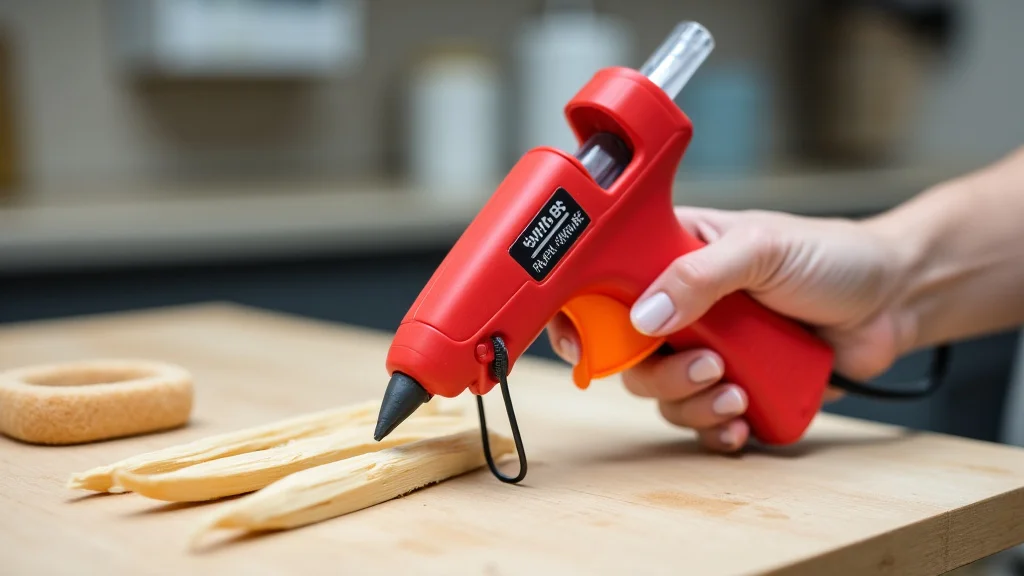
Remember that time you tried to fix your favorite mug with some hot glue gun and sticks, and it ended up… well, worse than before? We’ve all been there! Using a hot glue gun and sticks seems straightforward, but there’s more to it than meets the eye. This post will explore everything you need to know, from choosing the right glue to staying safe, ensuring you get perfect results every time. You’ll also learn pro tips to elevate your crafting game. By the end, you’ll be able to tackle various projects with confidence and improve your crafting skills.
Key Takeaways
- Learn the different types of hot glue and when to use them.
- Understand the essential safety precautions when using a glue gun.
- Discover practical applications for hot glue in crafts and repairs.
- Find out how to choose the right hot glue gun and sticks for your needs.
- Get expert tips for achieving professional-looking results.
- Explore common mistakes and how to avoid them.
Choosing the Right Hot Glue Gun and Sticks for Your Projects
Selecting the correct hot glue gun and sticks is like picking the right paintbrush; it sets the foundation for your crafting success. There are several types of glue guns, each with unique features that make them well-suited for specific tasks. Factors such as wattage, temperature settings, and size are all essential considerations. Similarly, glue sticks themselves come in a wide array of formulations, each with unique properties regarding strength, flexibility, and suitability for various materials. Choosing the right gun and sticks combination can significantly improve the quality and durability of your projects.
Types of Hot Glue Guns
The first step in choosing a hot glue gun involves understanding the different types available. Low-temperature glue guns are great for delicate materials like paper, fabric, and foam because they melt the glue at a lower heat. High-temperature glue guns, on the other hand, are ideal for tougher materials such as wood, plastic, and metal, as they provide a stronger bond. Consider the types of projects you typically undertake when making your choice. If you frequently work with sensitive materials, a low-temp gun is the better option. For more demanding tasks, a high-temp gun offers superior bonding power. Many models also feature dual-temperature settings, giving you the flexibility to adapt to different materials.
- Low-Temperature Glue Guns: These guns are designed to melt glue at lower temperatures, making them suitable for delicate materials. They’re great for paper, fabric, and crafting with children. The lower temperature reduces the risk of burning or melting the materials you’re working with.
- High-Temperature Glue Guns: These models operate at higher temperatures and create stronger bonds. They’re ideal for materials such as wood, plastic, and metal. The higher heat output provides a more secure and durable bond, making them suitable for tougher tasks.
- Dual-Temperature Glue Guns: Offering the best of both worlds, dual-temperature guns allow you to switch between low and high temperature settings. This versatility means you can use one gun for a wide range of projects, from delicate crafts to more demanding repairs.
- Mini Glue Guns: Compact and easy to handle, mini glue guns are perfect for smaller projects and detailed work. They heat up quickly and are generally more affordable, making them ideal for beginners and casual crafters.
- Full-Size Glue Guns: Full-size glue guns offer more power and can handle larger projects. They often have higher wattage and are designed for frequent and prolonged use, suitable for professionals and serious hobbyists.
Factors to Consider When Purchasing a Glue Gun
Beyond the type of gun, several other factors influence your buying decision. One important aspect is the wattage of the gun; higher wattage typically translates to faster heating and greater glue flow. Another feature to consider is the size of the glue sticks the gun uses, with standard and mini stick sizes. Safety features, such as automatic shut-off and insulated nozzles, are essential to avoid burns. You’ll also want to look at the gun’s ease of use, including its stand design, trigger mechanism, and overall ergonomics. A comfortable and easy-to-use gun makes for a better crafting experience, especially if you spend long periods working on projects. Think about the projects you typically create and choose a gun that best suits your needs.
- Wattage: Higher wattage often means faster heating and more consistent glue flow. This is especially helpful if you need to work quickly or handle large projects.
- Size of Glue Sticks: Guns use standard or mini glue sticks. Standard sticks are typically used in full-size guns, while mini sticks are used in smaller models. Make sure you buy the right size of glue sticks.
- Temperature Settings: Dual-temperature guns provide flexibility. Low settings are good for delicate materials, and high settings provide a stronger bond.
- Safety Features: Look for automatic shut-off to prevent overheating and insulated nozzles to minimize the risk of burns.
- Ergonomics: Choose a gun that feels comfortable in your hand. A good grip and trigger design can improve your overall experience, especially when crafting for extended periods.
- Stand Design: A stable stand is important to prevent the gun from tipping over and potentially causing a hazard.
Selecting the Right Glue Sticks
Glue sticks are not all created equal, and the type you choose depends on the projects you undertake. Different formulations exist to bond various materials effectively. For example, general-purpose glue sticks work well for paper, cardboard, and light fabrics. For more demanding applications, such as wood or plastic, you may need a high-strength glue stick that creates a more robust bond. Consider the projects you plan to do most often. Always buy glue sticks designed for the type of glue gun you own; the correct size and temperature compatibility is important. Some glue sticks also have special properties, such as being clear, colored, glittered, or specifically designed for flexible bonds.
- General-Purpose Glue Sticks: These are the most common and versatile type, suitable for paper, cardboard, and light fabrics. They provide a good all-around bond for various craft projects.
- High-Strength Glue Sticks: Designed for materials like wood, plastic, and metal, these sticks provide a stronger bond. These are suitable for more demanding applications where durability is key.
- Colored Glue Sticks: These sticks are available in different colors and can be used for decorative projects or to add an extra visual element. These are great for adding a creative touch to your work.
- Glitter Glue Sticks: These sticks contain glitter and add a sparkling effect to your projects, which are popular for crafts and decorations.
- Flexible Glue Sticks: These glue sticks create a flexible bond that is ideal for projects that might need to bend or flex. These are useful for toys or projects that undergo movement.
- Specialty Glue Sticks: There are also specialty glue sticks designed for specific materials or purposes. Examples include wood glue sticks, fabric glue sticks, and those with fast-drying or UV-resistant properties.
Safety Precautions While Using Hot Glue Gun and Sticks
Safety is the most important element of any crafting endeavor, and hot glue gun and sticks are no exception. Operating a hot glue gun always involves some risk, primarily due to the high temperatures involved. Understanding and following safety guidelines minimizes the chance of injury and makes your crafting activities enjoyable. Keep your workspace organized, and follow these rules to safeguard yourself and those around you.
Preventing Burns
Burns are the most common hazard associated with hot glue guns. The heated nozzle and melted glue can cause serious skin injuries. Always avoid direct contact with the nozzle and the melted glue. Never touch the heated metal parts of the glue gun. If the glue gets on your skin, immediately immerse the affected area in cool water for at least 15-20 minutes. Do not try to remove the glue. Seek medical attention if the burn is severe or covers a large area of your skin. Proper precautions and immediate action are essential for minimizing burn risks and ensuring your safety.
- Avoid Direct Contact: Never touch the hot nozzle or the melted glue.
- Use a Heat-Resistant Mat: Place a heat-resistant mat or a piece of cardboard underneath your project to protect your work surface.
- Wear Protective Gear: Consider wearing heat-resistant gloves to protect your hands, especially when working on detailed projects.
- Keep the Gun Stable: Always use the stand on your glue gun to prevent it from tipping over and accidentally touching your skin.
- Cool Water for Burns: If you get burned, immediately run cool water over the affected area for 15-20 minutes. Do not remove the glue. Seek medical attention if the burn is severe.
Workspace Safety
A safe workspace is the foundation of any craft. Ensure your area is well-lit and organized to minimize hazards. Work in a space free from clutter and where you have sufficient room to move around without bumping into objects. Make sure your glue gun is stable and positioned away from flammable materials like paper or fabric. Keep children and pets away from your crafting area. Create a setup that promotes focus and reduces the chance of accidents. A well-organized and safe environment makes crafting safer and more enjoyable.
- Well-Lit Area: Ensure your workspace is well-lit so you can clearly see what you are working on.
- Clear Surface: Work in a clean and organized area. Remove any clutter and ensure you have enough space to handle projects.
- Keep Flammable Materials Away: Position the glue gun away from any flammable materials like paper, fabrics, and solvents.
- Supervision: Do not allow children to use the glue gun unsupervised. Teach them the safety rules.
- Ventilation: Work in a well-ventilated area, especially if you’re using glue for extended periods, to avoid inhaling fumes.
Proper Storage and Maintenance
When you’re finished crafting, proper storage of your hot glue gun and sticks and regular maintenance extend the life of your equipment and enhance safety. Always unplug the glue gun and let it cool completely before storing it. Store the gun in a safe place, out of reach of children. Clean the nozzle periodically to remove any hardened glue. If the gun is not performing correctly, consult the manufacturer’s instructions or seek professional help. Routine maintenance makes your glue gun work well and ensures it’s ready for your next project. It also prevents the build-up of hazards and extends the lifespan of your crafting equipment.
- Unplug and Cool: Always unplug the glue gun and allow it to cool completely before storage or cleaning.
- Safe Storage: Store the glue gun in a dry, safe place away from children and pets.
- Clean the Nozzle: Clean the nozzle regularly to remove any dried glue, ensuring it operates smoothly.
- Regular Inspections: Inspect the power cord for any damage before each use.
- Follow Instructions: Always follow the manufacturer’s instructions for cleaning and maintenance.
Practical Applications for Hot Glue Gun and Sticks
The versatility of a hot glue gun and sticks opens up a world of creative possibilities. From crafts to household repairs, this tool is helpful for a wide array of applications. Explore some innovative and practical ways to use this essential tool. See how you can use a hot glue gun and sticks to solve problems, personalize items, and make the most of your crafting supplies.
Crafting Projects
Crafting is one of the most popular uses for hot glue. Its quick-setting properties and ability to bond various materials make it the perfect solution for many projects. From creating intricate decorations to assembling detailed models, hot glue allows for endless creativity. Use it for projects like scrapbooking, creating 3D artwork, assembling decorations, and customizing gift boxes. The adhesive’s strong bond and rapid setting time make complex designs and fine details easy. The creative possibilities are limitless when you combine the hot glue gun’s utility with your imagination.
- Paper Crafts: Secure paper and cardstock for scrapbooking, card-making, and paper decorations.
- Fabric Crafts: Attach fabric pieces for costumes, accessories, or home décor projects.
- Floral Arrangements: Assemble and secure artificial flowers, leaves, and other elements in various arrangements.
- Model Making: Create and assemble models using various materials, ensuring the pieces stick securely.
- Jewelry Making: Add embellishments, and attach clasps for creating unique jewelry pieces.
Home Repairs and DIY Projects
Hot glue is also a great tool for home repairs and DIY projects, serving as a quick and reliable adhesive for many tasks. From fixing broken items to reinforcing structures, the glue offers a versatile solution for a variety of tasks around the house. Because it is quick-setting, it’s perfect for emergency repairs. Use it to mend broken toys, attach loose tiles, seal gaps around windows and doors, or secure loose trim. The glue’s ability to bond a wide range of materials makes it an asset for projects of all sizes.
- Fixing Broken Items: Repairing broken toys, household items, or small appliances quickly and effectively.
- Sealing Gaps: Sealing gaps around windows, doors, or pipes to prevent drafts or leaks.
- Reinforcing Structures: Strengthening the connections or adding support to furniture or craft projects.
- Craft Projects: Use to attach elements to crafts, creating 3D art, and assembling decorations.
- General Assembly: Use to assemble model kits, or attach various materials in a variety of DIY projects.
Creative Applications
Besides practical applications, a hot glue gun and sticks also allows you to explore creative avenues. Experiment with different colors and techniques to produce unique works of art. You can use glue to make intricate designs on various surfaces, create 3D textures, or experiment with unique mixed-media pieces. Crafting with hot glue offers the opportunity to add personal touches and create personalized gifts. These include enhancing holiday decorations, personalizing gift boxes, and making unique home decor items. From decorative embellishments to functional pieces, the artistic possibilities are endless.
- 3D Art: Create textured surfaces or raised designs on canvas, wood, or other materials.
- Embellishments: Add decorative elements to items such as picture frames, mirrors, or other household objects.
- Customization: Personalize items by attaching embellishments, adding custom details, or modifying existing designs.
- Mixed Media: Combine hot glue with other art materials to create unique mixed-media art pieces.
- Decorative Crafts: Craft holiday decorations, party favors, or other themed crafts, adding unique visual elements.
Common Mistakes and How to Avoid Them
Even seasoned crafters sometimes make mistakes when using a hot glue gun and sticks. Recognizing and avoiding these errors can greatly improve your results. Many common mistakes arise from haste, lack of preparation, or improper technique. Learn about some frequent pitfalls and how to steer clear of them. Recognizing the most common errors will assist you in refining your skills and improve your crafting.
Applying Too Much Glue
Applying too much glue is a common mistake that can lead to mess and wasted materials. Too much glue can ooze out from the edges, making projects look messy and reducing precision. It’s important to use the proper amount of glue, especially when working on delicate projects or detailed crafts. Start with small, controlled amounts, adding more only as needed. Using a fine-tip nozzle and controlling the glue gun’s trigger will help you avoid using too much glue, resulting in cleaner and more accurate results. This practice will improve your project’s appearance and prevent adhesive waste.
- Control the Flow: Use a glue gun with a trigger that allows precise control over the amount of glue dispensed.
- Start Small: Begin with a small amount of glue and add more as needed.
- Wipe Excess: If too much glue is applied, immediately wipe away the excess with a paper towel or a toothpick before it cools.
- Practice: Practice on scrap materials to get a feel for the glue gun’s flow rate.
- Use a Fine-Tip Nozzle: A fine-tip nozzle can help you apply glue in thinner, more controlled lines.
Not Preparing Surfaces Properly
Poor surface preparation is another frequent error. When surfaces aren’t prepped correctly, the glue may not bond effectively, leading to weak joints. Prepare surfaces by cleaning them to remove dust, debris, or oil. On smooth surfaces, slightly roughing them up with sandpaper will help the glue adhere better. This prepares the bonding surfaces, which is important for getting a strong and long-lasting connection. Taking these steps makes the glue grip and improves the structural integrity of your project.
- Clean Surfaces: Make sure the surfaces are free of dust, dirt, or oils to ensure a good bond.
- Rough Up Smooth Surfaces: Lightly sand smooth surfaces for a better grip.
- Dry Surfaces: Make sure surfaces are completely dry before applying glue.
- Test Adhesion: If you are using new materials, test the glue’s adhesion on a small, inconspicuous area before starting your project.
- Use the Right Glue: Choose a glue stick that matches the materials being used for optimal adhesion.
Rushing the Process
Rushing the process can compromise both your safety and the quality of your work. Allow time for the glue to cool and set, which is critical for achieving a strong bond. Press the glued parts together firmly and hold them for the recommended time to ensure a solid connection. Patience pays off. Resist the urge to move on to the next step before the glue is fully set. Avoid handling the project too soon, as this can break the bond or cause the pieces to shift. Rushing can ruin projects and lead to mistakes. Ensure you allocate enough time for each step to get the best results.
- Allow Cooling: Always give the glue time to cool and set properly, based on the manufacturer’s recommendation.
- Hold Parts Together: Press the glued parts together firmly, holding them in place until the glue has set.
- Avoid Moving Too Soon: Do not move or handle the project until the glue has fully hardened.
- Read the Instructions: Follow the manufacturer’s recommendations for drying times.
- Work Systematically: Plan your project in stages and allow enough time for each step.
Frequently Asked Questions
Question: Can I use any type of glue sticks in any glue gun?
Answer: No, it’s essential to match the glue stick type to your glue gun. Always use the size and temperature-specific glue sticks that are suitable for your glue gun to ensure it functions properly and safely.
Question: How do I remove hot glue from a surface?
Answer: For many surfaces, you can carefully peel off the glue once it has cooled. For tougher situations, using rubbing alcohol or a commercial glue remover and a scraper tool may be necessary, testing in an inconspicuous area first.
Question: Is it safe to use a hot glue gun with children?
Answer: Hot glue guns can be used safely with children under supervision. Teach children the importance of safety measures, like keeping a safe distance from the nozzle and wearing protective gear if needed.
Question: Can I use hot glue on fabric?
Answer: Yes, but it’s best to use low-temperature glue guns for delicate fabrics to avoid burns or melting. Test on an inconspicuous area first to ensure the glue does not damage the fabric.
Question: How do I store my hot glue gun and sticks when I’m finished?
Answer: Unplug the glue gun and let it cool completely. Store the gun in a dry, safe place away from children and pets. Keep your glue sticks in a dry area to prevent moisture absorption.
Final Thoughts
Mastering the use of a hot glue gun and sticks can be a rewarding experience. From simple fixes to elaborate crafting projects, understanding the nuances of choosing the right tools, practicing safety, and avoiding common pitfalls will help. Learning about the different types of glue guns, the varied applications, and the techniques to master can turn your creative visions into reality. Remember to always prioritize safety and take time to learn about the best approaches for different materials and projects. Embrace the possibilities and explore the creative avenues that this versatile tool can offer. With practice and the right approach, you will be producing amazing work.
Leave a Reply