



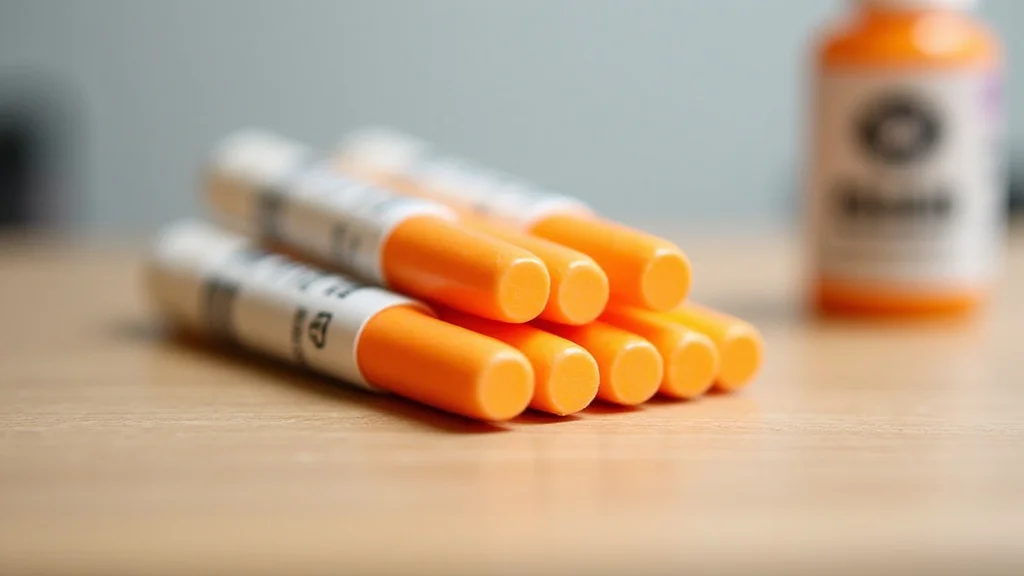
Remember that time you tried to fix your favorite mug with a hot glue gun, only to have the glue sticks run out mid-project? Frustrating, right? This blog post explores everything you need to know to pick the perfect glue sticks for hot glue gun projects, from crafting to repairs. We’ll cover the different types, sizes, and applications, ensuring you’re always prepared. By the end, you’ll be a glue stick pro, ready to tackle any project with confidence. This guide will enhance your crafting skills and minimize project hiccups, improving your Time on Page and reducing the likelihood of you bouncing off the page to find another source.
Key Takeaways
- Discover the various types of glue sticks and their ideal uses.
- Learn about different sizes and how to choose the right one for your gun.
- Understand the importance of temperature and its effect on bonding.
- Explore different project applications and the best glue sticks for each.
- Get tips on safe usage and storage to extend your glue stick’s life.
- Find out how to troubleshoot common glue stick problems.
Choosing the Right Glue Sticks for Your Needs
The selection of glue sticks for hot glue gun projects might seem straightforward, but a little exploration reveals a variety of options. Different projects need different types of glue. Choosing the suitable one guarantees strong bonds and better results. Thinking about factors like the materials you are working with, the environment, and the demands of the project will help you make a wise decision.
Types of Glue Sticks
The market has numerous types of glue sticks, each with properties suited to different applications. Some are versatile, while others are designed for specialized tasks. Recognizing the differences between these types helps you pick the most efficient glue for your project.
- Standard Glue Sticks: These are the workhorses of the crafting world. They’re excellent for general-purpose tasks like paper, cardboard, and light fabrics. They typically have a low melting point, making them safe for kids and beginners.
- High-Temperature Glue Sticks: These are ideal for projects that need more durable bonds, like wood or some plastics. They require a high-temperature glue gun. The higher temperature melts the glue to create a stronger hold.
- Low-Temperature Glue Sticks: Low-temperature glue sticks work with low-temperature guns. These sticks are safer for heat-sensitive materials. They prevent burns, making them a safe choice.
- Specialty Glue Sticks: Certain projects require specialized glue sticks. These include flexible glue sticks for fabrics, glitter glue sticks for crafts, and colored glue sticks for decorative purposes. Each type is formulated for a specific job.
Specialty glue sticks fulfill specialized roles. Flexible glue sticks are good for fabric projects as they create flexible bonds. Glitter glue sticks bring sparkle to crafting. Colored glue sticks add a decorative touch. Each type is made for a specific application, offering many choices for different crafting needs.
Standard glue sticks are formulated for general use, making them perfect for crafting and basic repairs. They offer a balance of price and performance, suitable for numerous materials. The bonding power of standard glue sticks is enough for most everyday tasks, and they are usually safe to use, which makes them a go-to choice.
High-temperature glue sticks are made for more demanding jobs. They provide a stronger bond and are suitable for materials like wood, metal, and certain plastics. They have a higher melting point, needing a high-temperature glue gun. This type is perfect for projects where endurance is essential.
Low-temperature glue sticks, designed to work with low-temperature guns, are perfect for delicate materials. They melt at lower temperatures, reducing the chance of burns and preventing damage to sensitive items. They are generally preferred for crafts with children.
Size Matters: Glue Stick Dimensions
Another key feature is the size of the glue sticks you use. The size must match your glue gun. Glue stick diameter and length are vital when selecting glue sticks. They directly influence how long a glue stick will last before needing a replacement. A suitable glue stick size guarantees seamless use, and it is vital for different project demands.
- Diameter: The diameter of the glue stick is vital to its compatibility with your glue gun.
- Length: Length also determines how long the glue sticks will last before running out.
- Matching the Gun: Always check your glue gun specifications before purchasing.
- Considering Usage: Think about your typical project size.
Most hot glue guns use standard-size glue sticks with a diameter of about 0.44 inches. Miniature guns use smaller glue sticks, often about 0.28 inches in diameter. Double-check your glue gun instructions to confirm the right size. This will ensure the glue stick fits properly, dispensing the glue smoothly.
Glue sticks come in various lengths, from short to long. Longer glue sticks will last for longer jobs without needing replacements, reducing interruptions. Shorter sticks are appropriate for smaller projects or for users who do not often use glue. Length is especially important to consider when you have a large project.
Matching the glue stick size to your glue gun is crucial. Check the gun instructions to make sure the dimensions match. Using the incorrect size may lead to problems. It is essential to ensure that your glue gun operates efficiently and safely, reducing potential issues.
The size of your typical project will help decide on the right glue stick size. Crafters who frequently tackle large projects may select longer glue sticks to minimize the frequency of
Temperature Considerations and Bonding Power
Temperature significantly influences the performance of glue sticks for hot glue guns. The melting point determines the type of glue gun needed, impacting how well the glue bonds with different materials. The proper temperature allows the glue to melt and apply appropriately, which affects the durability and strength of the adhesion.
- Melting Point: Different glue stick types have varied melting points.
- Material Compatibility: Certain temperatures work better with certain materials.
- Bond Strength: Temperature affects bond strength.
- Project Requirements: Match temperature to project needs.
Standard glue sticks usually melt between 250-300°F (120-150°C), whereas high-temperature glue sticks melt at higher temperatures, generally above 380°F (193°C). Low-temperature sticks melt around 200-250°F (93-120°C). These differences are crucial when choosing a glue stick because matching the glue stick type to your glue gun is essential for efficient operation.
Consider the materials you are working with. Low-temperature sticks work best with heat-sensitive materials, preventing damage. High-temperature sticks are made for materials that can withstand more heat, like wood or certain metals. Choosing the right temperature makes sure the glue bonds properly and does not harm your materials.
The correct temperature helps to melt the glue, allowing it to penetrate the material’s surface and form a strong bond. High-temperature glue typically creates stronger bonds, making it suitable for durable projects. However, using too much heat or the wrong glue type may cause the materials to deform or melt. Therefore, selecting the appropriate temperature is important for successful bonding.
Match the temperature of your glue gun to the requirements of your project. High-temperature guns are ideal for demanding repairs or crafts needing sturdy bonds. Low-temperature guns work best with delicate materials like fabrics or paper. Thinking about these needs helps you select the correct temperature settings for the most suitable outcomes.
Applications for Different Glue Stick Types
Glue sticks for hot glue gun projects find a wide range of applications, from artistic pursuits to practical repairs. The ideal glue stick to use depends on the project. You need to consider the material, the demands of the project, and the required bond strength. The proper selection helps with efficiency and guarantees the best results.
Crafting and DIY Projects
Crafting and DIY projects rely heavily on glue sticks for their versatility and ease of use. These projects vary greatly, so understanding the best glue sticks for various tasks will enhance the quality and ease of your work.
- Paper and Cardboard Crafts: Standard or low-temperature glue sticks work perfectly here.
- Fabric and Textile Projects: Flexible or fabric glue sticks are a good option.
- Woodworking and Model Making: High-temperature glue sticks are most appropriate.
- Seasonal Decorations: Glue sticks for various materials suit this purpose.
Paper and cardboard are common in crafts and are easily bonded by standard or low-temperature glue sticks. These glue sticks offer a firm hold without damaging the delicate paper fibers. Low-temperature options are particularly safe for use with children, decreasing the risk of burns. The selection of glue sticks will ensure clean, precise bonding.
Working with fabric needs a glue that remains flexible after drying. Flexible glue sticks are made for these types of materials. They allow for movement without weakening the bond, which makes them ideal for sewing crafts. The proper glue stick selection will produce strong and durable results.
Woodworking and model-making jobs that need strength benefit from high-temperature glue sticks. The elevated temperatures will create stronger bonds, which are vital for joining wooden pieces or constructing models. Using high-temperature glue guarantees that your creations stay strong and enduring, which helps with quality.
For seasonal decorations that use various materials (paper, fabric, and plastic), you’ll need various glue sticks. Standard glue sticks can adhere paper and cardboard; flexible ones work well with fabrics; and high-temperature sticks can secure wooden components or stronger plastic ornaments. This versatility guarantees that your decorations are well-made and long-lasting.
Repair and Home Improvement
Beyond crafts, glue sticks also serve a practical function in repair and home improvement projects. They supply a fast and easy solution for many tasks around the home. Correctly using glue sticks can help with repairs and improvements.
- Fixing Broken Items: High-temperature glue sticks often come in handy.
- Sealing and Patching: Standard or high-temperature glue sticks are useful for these tasks.
- Securing Loose Items: High-temperature or standard glue sticks come to the rescue.
- Weatherproofing and Insulation: Glue sticks can provide short-term fixes for drafts.
High-temperature glue sticks are frequently used to fix broken objects, from toys to household items. The powerful bond they provide is perfect for holding things together. They can be used on plastic, metal, and wood surfaces, making them a general choice for repairs. High-temperature glue gives a durable repair, helping extend the life of your household items.
Glue sticks are also useful for sealing and patching tasks. For small gaps or cracks, you can use glue sticks to seal leaks. For example, you may use high-temperature glue to patch up small holes on a wall before painting or for securing loose tiles. This approach is an effective and fast solution for maintaining the structural integrity of your home.
Loose items like doorknobs or trims can be secured using glue sticks. High-temperature glue can provide a stronger hold for heavier items; standard glue is adequate for lighter items. Using this approach can fix loose items in your house. It helps to prevent damage and guarantee that your things are safely placed.
For temporary solutions to drafts and basic weatherproofing, glue sticks can be useful. For example, glue can be used to seal small gaps around windows or doors to stop air leaks. While not a permanent fix, glue sticks can give immediate relief from drafts. Using them is a practical, quick solution for home improvements.
Safe Usage and Storage Tips
To use glue sticks for hot glue gun safely and effectively, understand the proper storage and safe use of the product. This practice will ensure your protection while maximizing the lifespan of your glue sticks. Following the right safety precautions and storage methods helps with project quality.
Safe Handling of Hot Glue Guns
Working with hot glue guns requires extreme care. These devices get very hot, and burns are a common risk. Adhering to the procedures will keep you safe while you work, reducing risks and helping with your crafting experience.
- Always use in a well-ventilated area: This is a must.
- Use a protective surface: Protect your work surface from glue drips.
- Avoid touching the hot nozzle or melted glue: Burns happen easily.
- Unplug when not in use: A simple safety step.
When working with a hot glue gun, make sure you are in a well-ventilated area. Glue guns may release fumes when heated, and ventilation is required to keep you from inhaling potentially dangerous vapors. You can guarantee a safer environment by providing clean air during your crafting sessions.
To protect your workspace, always use a protective surface. Glue drips can easily damage your table or work area. Laying down a silicone mat, a piece of cardboard, or a heat-resistant surface can catch drips and spills. This helps to protect the surface and makes cleaning easier, so your crafting area stays in good condition.
The nozzle and the melted glue are extremely hot, so avoid touching them. You can get serious burns if you touch them, so it’s important to be careful. Always allow the glue and gun to cool before touching them. Wearing safety gloves can offer an extra layer of protection.
When you are not using the glue gun, always unplug it. This prevents the gun from overheating or causing an accident. Make it a habit to unplug it immediately after each use. This simple step can greatly enhance the safety of your workspace.
Proper Storage of Glue Sticks
The right storage of your glue sticks makes them last longer and guarantees that they are ready to use when needed. Properly storing them keeps the glue sticks from deteriorating and guarantees the reliability of the projects you make.
- Store in a cool, dry place: Protect against environmental effects.
- Keep away from direct sunlight: Prevents degradation.
- Store in an airtight container: Reduces contamination.
- Organize and label your glue stick types: Makes finding the right one easy.
Keep your glue sticks in a cool, dry place. Extreme temperatures and humidity may impact the quality of the glue and cause it to lose its adhesive properties. A dry environment will help the glue sticks to retain their effectiveness over a long time. They will stay in good condition for longer if you store them appropriately.
Protect your glue sticks from direct sunlight. Exposure to sunlight might cause the glue sticks to degrade and lose their adhesive qualities. Keeping the glue sticks in a dark place prevents these issues, which allows them to stay effective for a longer period. This ensures that the glue sticks perform well when you need them.
Keep the glue sticks in an airtight container or bag. This will prevent dirt or dust from getting onto the glue sticks, which might interfere with their adhesive properties. The seal protects the glue sticks, making sure that they are clean and that they function properly. It will protect them from any possible contamination and help with their lifespan.
Organize your glue sticks by type and label them clearly. This will help you easily recognize the glue sticks you need when crafting. Proper organization will save you time and decrease the chance of using the incorrect type of glue for a project. This helps you get the best outcomes for your different craft and repair needs.
Common Myths Debunked
Misinformation can be found around the use of glue sticks for hot glue gun projects. Knowing these misconceptions will help you use the materials more effectively and achieve better results. Let’s look at some common myths and the reality.
Myth 1: All Glue Sticks Are the Same
The idea that all glue sticks are the same is a common misbelief. In reality, the materials used and formulations for glue sticks vary widely. The type of glue stick should match the project needs. Thinking about the differences among glue sticks will help you pick the best one for the job.
Myth 2: Higher Temperatures Always Mean Better Adhesion
Many believe higher temperatures always lead to better adhesion, but this is untrue. While high-temperature glue sticks can create stronger bonds, using too much heat or the wrong type of glue stick may damage your materials. The goal is to use the right temperature that suits the materials.
Myth 3: Glue Stick Quality Doesn’t Matter
Some people think glue stick quality does not matter. The quality of glue sticks influences project outcomes and durability. High-quality glue sticks typically have better adhesive qualities and a longer lifespan. Spending more on excellent glue sticks will help with the quality of your projects.
Myth 4: All Glue Sticks Are Safe for Children
Though many glue sticks are safe for children, this is not always true. Low-temperature glue sticks are usually the safest alternative for children’s crafts. These guns and glue sticks are designed to lower the danger of burns. It is important to know which products are safe for the age of the user.
Myth 5: Glue Sticks Can Bond Any Material
While glue sticks can be used in different materials, they’re not a fix-all for all bonding tasks. Some materials, such as specific metals or plastics, may require special adhesives. Understanding the limits of glue sticks will help you select the most effective bonding approach for any project.
Frequently Asked Questions
Question: What is the best way to remove dried glue from surfaces?
Answer: For most surfaces, you can carefully try to peel off the dried glue. If it is stubborn, you can use heat (like a hairdryer) to soften the glue and then scrape it off gently with a plastic scraper. Be cautious not to harm the surface.
Question: Can I use different sized glue sticks in my glue gun?
Answer: It’s generally not a good idea. Using the wrong size can damage your gun or lead to dangerous situations. Always use the size recommended in your glue gun instructions.
Question: What is the shelf life of glue sticks?
Answer: When kept correctly, glue sticks can last for years. It’s best to store them in a cool, dry place away from sunlight to make sure they remain effective.
Question: How do I prevent my glue gun from dripping?
Answer: To prevent dripping, make sure you unplug the glue gun after use. You can also use a glue gun with an anti-drip feature, which is made to lessen the flow when idle.
Question: Can I use glue sticks on outdoor projects?
Answer: Standard glue sticks are not designed for outdoor use. For outdoor projects, think about using specialized waterproof and weather-resistant glue sticks.
Final Thoughts
Mastering the use of glue sticks for hot glue gun projects opens up a world of crafting and repair possibilities. From understanding the different types of glue to mastering safe use, you have the know-how to approach your projects confidently. The right glue, chosen with the project in mind, will improve your creations and your practical endeavors. It provides you the tools to create great results. So, grab your glue gun, pick the ideal glue stick for your project, and get started! Remember that practicing and testing will help you master this valuable skill. Happy crafting and creating!
Leave a Reply