



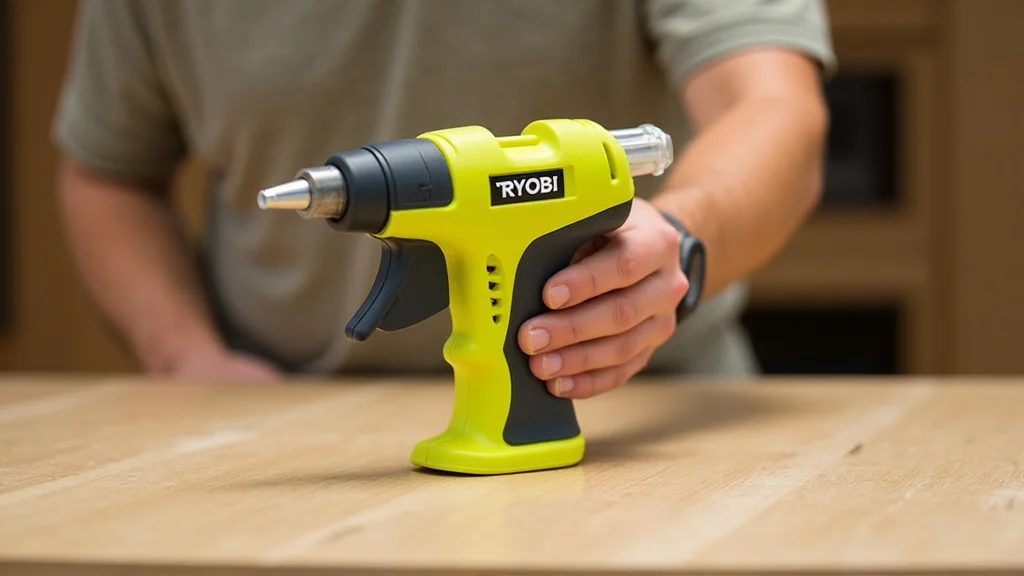
Remember that time your kid’s favorite toy broke, and you scrambled for a quick fix? Or perhaps you were prepping for a craft fair and needed a reliable adhesive for intricate projects? That’s where the Ryobi hot glue gun steps in. This guide will explore everything you need to know about this handy tool, from its features and functionality to the types of projects it’s perfect for. You’ll gain a thorough knowledge of its capabilities and learn how to get the most out of it. Get ready to discover how the Ryobi hot glue gun can simplify your DIY life and expand your creative horizons. This post will improve your knowledge of different projects you can start and help you decide which one is right for your needs.
Key Takeaways
- Learn about the features and benefits of the Ryobi hot glue gun.
- Discover a variety of projects that are well-suited for this tool.
- Understand the different types of glue sticks and their uses.
- Get tips on how to use the Ryobi hot glue gun safely and effectively.
- Explore the pros and cons to make a confident purchase decision.
- Find answers to common questions about the Ryobi hot glue gun.
Unveiling the Ryobi Hot Glue Gun: A Closer Look
The Ryobi hot glue gun is a versatile tool favored by crafters, DIY enthusiasts, and home repair professionals. It offers a convenient method for bonding a range of materials, making it indispensable for various projects. This section will delve into its basic aspects, highlighting the key features and design elements that set it apart. The objective is to give you a clear image of what to expect when using this tool, preparing you for the more intricate details ahead. You will gain a clear insight into its usability and become better prepared to assess its appropriateness for your particular requirements.
The Core Features
The Ryobi hot glue gun, like many other glue guns, comes with a specific set of features that make it suitable for a variety of tasks. Some of the most notable features include a quick heat-up time, which allows for minimal waiting before starting a project. Its ergonomic design usually incorporates a comfortable grip, crucial for extended use and minimizing hand fatigue. Many models feature a built-in stand for safe storage and a trigger-feed mechanism, enabling controlled glue dispensing. These characteristics work together to enhance the user experience and make the tool both simple and productive.
- Rapid Heating: Many models can reach operational temperatures in minutes, saving you time.
- Ergonomic Design: The handle is made to fit comfortably in your hand, reducing fatigue.
- Trigger Feed: This allows for controlled glue application.
- Built-in Stand: Most models include a built-in stand to keep the hot glue gun upright and safe.
Rapid heating is an essential function of a functional glue gun. This quick-start capability helps save time and gets you working on your project sooner. The ability to heat up rapidly is critical, especially when working on projects that need immediate bonding, such as urgent repairs or fast-paced crafts. The rapid heat-up time also contributes to a more productive workflow by decreasing the time required for the tool to become operational, making it easier to start projects and make quick adjustments as needed.
The ergonomic design of the Ryobi hot glue gun is very important for comfort and usability, particularly when you work on projects that take a long time. The handle’s shape is thoughtfully designed to minimize strain on the hand and wrist. A well-designed grip ensures comfort and control, letting you work more effectively and precisely. This design aspect is crucial for both amateur and professional users since it lowers the chance of discomfort during extended use, enabling a more pleasant and productive work experience. Some guns feature rubberized handles that increase grip.
The trigger-feed mechanism is a distinguishing feature of a Ryobi hot glue gun. The trigger-feed system gives you better control over the application of adhesive. It allows you to precisely manage the quantity of glue dispensed, avoiding excessive waste and ensuring neat results. This function is particularly helpful for delicate projects that need precision. The user can apply the right amount of adhesive, ensuring both strength and visual aesthetics, by precisely controlling the glue flow. This feature streamlines the work process and enhances the overall project quality.
The integrated stand is a safety feature that gives the glue gun more stability when it is not in use. This stand lifts the heated nozzle off of surfaces, reducing the risk of accidental burns or material damage. The stand keeps the gun upright, which prevents glue from leaking. This simple, yet efficient design element contributes to a safer working atmosphere and makes it easier for users to handle the glue gun, whether used on a workbench or a crafting table. This adds to the convenience and safety of the tool.
Material Compatibility
The Ryobi hot glue gun is versatile when it comes to the different materials it can bind. Its effectiveness stems from its ability to melt and apply adhesive to various surfaces. This adaptability is very useful for a variety of DIY projects. This section will look at the different materials that work well with the Ryobi hot glue gun, demonstrating how it may be used on a wide range of surfaces. The key aim is to provide you with the information you need to effectively use the tool across multiple projects.
- Wood: It’s great for bonding wood pieces together.
- Fabric: Ideal for adhering fabric for crafts and repairs.
- Plastic: Great for bonding many types of plastics.
- Paper and Cardboard: Perfect for crafting and project assembly.
Wood is a commonly used material in crafts and repairs, and hot glue is a great way to bond them. The hot glue creates a solid bond that is excellent for a variety of carpentry projects. This bond creates excellent support and structure for your woodworking projects. This makes it an ideal choice for both home repairs and craft projects. This versatility of hot glue allows for both temporary and permanent bonds and simplifies the integration of various wooden pieces.
Ryobi hot glue guns work well when used on fabrics. It can securely attach fabric to fabric or other materials, which makes them perfect for arts, crafts, and clothing repairs. This capability enables DIYers to design and create a range of textile projects, from simple fabric repairs to more complex creative works. This offers users a flexible and accessible method for integrating, modifying, or creating textile objects. However, be aware that you may experience some ‘bleeding’ of glue through delicate fabrics.
Many kinds of plastic can be bonded using a Ryobi hot glue gun, which makes it ideal for a variety of repairs and crafts. This functionality is especially helpful for fixing broken plastic objects or constructing plastic-based models and projects. This allows users to tackle various repair tasks and artistic projects that use plastic. You may need to use a slightly higher temperature setting or specialized glue sticks to ensure the best results on certain plastics.
Paper and cardboard are excellent materials for using the Ryobi hot glue gun. Its ability to create fast and strong bonds makes it perfect for crafts, school projects, and creating models. The fast-drying nature of hot glue is particularly helpful when working with these materials, allowing for fast project completion. The hot glue gun is a flexible tool for various paper-based activities, from scrapbooking to package construction. This gives users a quick and reliable way to assemble items, improving both efficiency and effectiveness.
Choosing the Right Glue Sticks for Your Ryobi Hot Glue Gun
The performance of a Ryobi hot glue gun is greatly influenced by the type of glue stick used. Knowing the different types available and which are best suited for different applications is vital for optimal project outcomes. In this part, we explore the different types of glue sticks, from standard to specialized, and their ideal uses. The goal is to provide you with the information needed to make informed selections, ensuring that the glue sticks you pick match your project’s demands.
Types of Glue Sticks
There are different types of glue sticks, each designed for specific uses, so understanding them helps maximize the usefulness of your Ryobi hot glue gun. The composition of the glue stick determines its performance, including its bonding strength, flexibility, and heat resistance. Selecting the appropriate glue stick guarantees that the bond will be strong, long-lasting, and tailored to the unique conditions of your project. This section will explore the types of glue sticks, including their applications and important qualities.
- Standard Glue Sticks: General-purpose, suitable for most crafts.
- High-Temperature Glue Sticks: For stronger bonds on heavier materials.
- Low-Temperature Glue Sticks: Safe for delicate materials like foam and some fabrics.
- Colored Glue Sticks: Add a decorative touch to your projects.
- Specialty Glue Sticks: Including glitter and other unique formulations.
Standard glue sticks are the most widely used type. They are designed for general usage and are effective on a wide variety of materials, including paper, cardboard, fabric, and some plastics. These glue sticks provide a balance of adhesion, affordability, and ease of use, making them a popular choice for all skill levels. They are excellent for crafts, school projects, and general household repairs. They are the go-to option for the majority of everyday gluing tasks.
High-temperature glue sticks, designed for higher-stress tasks, provide a more robust bond and are ideal for heavier materials like wood and metal. They melt at higher temperatures, providing a stronger bond that is resistant to environmental stresses. These sticks are helpful when greater strength and durability are required, whether for home repair or heavy-duty crafts. They are designed to withstand increased stress and offer a more secure and long-lasting connection.
Low-temperature glue sticks, designed for delicate materials, melt at a lower temperature and provide a gentle bond without damaging sensitive surfaces. These glue sticks are ideal for bonding materials like foam, delicate fabrics, and certain types of plastics. They prevent overheating, which can harm or warp sensitive materials. The low melting point also makes them safer for children and those new to crafting. They are designed to be safe and efficient for a wide variety of projects.
Colored glue sticks are a fun way to bring color and flair to crafts. Available in a wide variety of colors, they allow for a creative and decorative effect. They are appropriate for use on paper, cardboard, and other decorative materials, making them suitable for arts and crafts. These glue sticks allow users to effortlessly add a visual appeal to their projects. They provide a simple method to inject creativity and originality into the design, whether it’s for accents, decorations, or themed projects.
Specialty glue sticks offer unique capabilities that meet specific needs, extending the versatility of the Ryobi hot glue gun. Specialty glue sticks such as those with glitter can add sparkle to your projects, while other formulations may include stronger bonds, flexibility, or water resistance. These specialty sticks allow crafters and DIYers to go beyond basic glue applications and explore a variety of effects and features. This allows users to create one-of-a-kind projects while customizing adhesive capabilities for various situations.
Sizing and Compatibility
The size and compatibility of glue sticks with your Ryobi hot glue gun are very important for optimal performance. You can ensure consistent and trouble-free operation by selecting the right size glue stick. Understanding the dimensions needed for your glue gun will allow you to work more effectively. This segment will look at the various sizes of glue sticks, including their compatibility with different glue guns. The main purpose is to give you the information required to select the correct size glue sticks for your Ryobi hot glue gun.
- Standard Sizes: Most Ryobi guns use standard 7/16-inch or 0.43-inch diameter sticks.
- Check Gun Specifications: Always check your gun’s manual for recommended sizes.
- Avoid Forcing: Do not force glue sticks that do not fit correctly.
The most common size glue sticks for the Ryobi hot glue gun are 7/16-inch or 0.43-inch in diameter. This standard size is compatible with a wide variety of Ryobi models. Ensuring compatibility by using the right size glue stick is essential for smooth feeding and continuous glue application. Knowing the proper diameter will help you pick glue sticks that feed easily and avoid potential jamming or inefficiencies while in use. You can easily and quickly keep your tool running properly by picking the proper size.
Always consult the user manual for your Ryobi hot glue gun to find the exact glue stick dimensions suggested by the manufacturer. The manual offers specific information about compatible sizes, diameters, and lengths. Following the manufacturer’s suggestions ensures that the glue sticks fit properly and do not interfere with the gun’s operation. Consulting the manual is the easiest and most reliable method to verify glue stick compatibility and is vital for your glue gun’s overall functioning and life span.
Avoid forcing glue sticks into your Ryobi hot glue gun if they do not fit easily, since this may cause problems. Forcing can cause internal damage to the feed mechanism and can affect the gun’s ability to operate safely. If a glue stick is too big, it may get jammed, and if it’s too tiny, it may not feed correctly, resulting in inefficiencies. Use only the correct size glue sticks to prevent damage and make sure the glue gun functions correctly. Before usage, be sure that the glue sticks feed freely and easily.
Essential Techniques and Safety Tips for Your Ryobi Hot Glue Gun
Using a Ryobi hot glue gun safely and effectively is crucial for enjoyable and successful projects. This part provides essential methods and safety precautions that ensure both your safety and the quality of your work. By understanding the proper techniques, you can improve the precision and efficiency of your projects while minimizing hazards. You’ll gain a comprehensive knowledge base to guarantee you make the most of your Ryobi hot glue gun.
Safety Precautions
Safety is the primary consideration when using a Ryobi hot glue gun. The tool’s high operating temperatures can cause burns if used improperly. This section lists important safety precautions to protect you and your surroundings while utilizing your Ryobi hot glue gun. The aim is to make you aware of the dangers and prepare you to utilize the tool safely. These precautions help you work more safely.
- Always Use in a Well-Ventilated Area: To avoid inhaling fumes.
- Wear Protective Gear: Gloves and eye protection are recommended.
- Avoid Direct Skin Contact: The nozzle and glue are extremely hot.
- Supervise Children: Keep out of reach of children.
- Allow to Cool Completely Before Storage: Prevent burns and damage.
Working in a well-ventilated area is very important when using a Ryobi hot glue gun to prevent inhaling any fumes that might be emitted. Proper ventilation helps dilute and eliminate any potentially dangerous fumes produced by the melting glue. Inhaling these fumes may cause irritation or other health problems. Ensuring sufficient ventilation improves air quality and offers a safer and more pleasant working environment for the user.
Wear appropriate protective gear, such as gloves and eye protection, to protect yourself when using a Ryobi hot glue gun. Gloves help prevent hot glue from sticking to your skin, reducing the risk of burns. Safety glasses or goggles protect your eyes from glue splatters and drips. Proper protective gear creates a safer working environment, minimizes injury risk, and protects you from potential hazards.
Avoiding direct skin contact with the nozzle and melting glue is essential when using a Ryobi hot glue gun due to its extreme heat. The nozzle is hot enough to produce severe burns when touched. Make sure the nozzle does not come into contact with your skin or other sensitive surfaces. Taking this precaution helps reduce the risk of injury and protects you from heat-related risks. Always place the gun on a safe surface when not in use.
Always keep the Ryobi hot glue gun out of children’s reach to avoid accidents. The tool’s high operating temperature and potential for burns make it dangerous for unsupervised children. Storing it away from children and teaching them about the hazards of hot glue are essential for safety. By taking these steps, you can prevent injuries and guarantee a safer environment.
Allow the Ryobi hot glue gun to cool completely before storing it, because this helps prevent burns and damage. The tool remains hot for a while after it is turned off, and touching a hot nozzle or melted glue might result in burns. After using the glue gun, allowing it to cool before storage ensures its safety and prevents any unintentional contact with hot parts. Storing the glue gun when it is cool also helps prevent damage to the tool and the storage area.
Effective Techniques
Besides safety, mastering the right techniques can enhance your experience and the outcomes of your projects. This segment explores useful methods for operating your Ryobi hot glue gun. From glue application to bonding many materials, these approaches will improve your project efficiency and quality. This section aims to equip you with the know-how to enhance your crafting.
- Prepare Your Surfaces: Clean and dry surfaces for optimal adhesion.
- Apply Glue in a Controlled Manner: Use the trigger for precision.
- Press Materials Together Firmly: Hold until the glue sets.
- Work in a Well-Ventilated Area: Keep air circulating to prevent fumes.
- Test on Scrap Materials: Before applying to a project, practice on scraps.
Before applying glue with your Ryobi hot glue gun, prepare the surfaces by ensuring they are clean and dry. Removing dust, dirt, or grease from your surfaces improves the bond’s strength. Cleaning the surfaces helps the glue stick better, creating a more secure connection. Proper preparation improves the overall quality of your project and assures it is long-lasting.
Applying the glue in a controlled way is essential for a Ryobi hot glue gun. Use the trigger to control the glue’s flow, which improves precision and minimizes waste. Applying the glue in a thin, controlled line or dot improves the bond while preventing overflow. This technique is especially helpful for small or complicated projects where accuracy is vital. Controlled application assures a cleaner, more accurate, and more effective bond.
After applying glue, press the materials together tightly and hold them until the glue sets. This process ensures a good bond by allowing the materials to adhere correctly. Pressing the pieces together for the necessary amount of time gives the glue to cool and solidify, creating a solid bond. This technique is crucial for ensuring a strong and long-lasting hold, providing that the project’s integrity remains intact. Holding the pieces together properly enhances the final results and ensures that the materials are bonded correctly.
Working in a well-ventilated area is important when using the Ryobi hot glue gun to ensure proper air circulation and avoid inhaling potentially harmful fumes. Adequate ventilation helps dilute and remove odors and fumes produced by melting glue, increasing safety. Good ventilation improves the air quality in your work area and makes it a more pleasant environment. This simple method contributes to a healthier and more comfortable working experience, which is especially important during lengthy or complicated projects.
Practicing on scrap materials before applying glue to a finished project is a smart method to ensure the best possible results. This lets you to test the glue gun and materials, allowing you to fine-tune your technique and evaluate the adhesive’s bond. Testing on scraps will also help you determine the appropriate glue quantity, application style, and how well it binds to the surfaces. This practice lowers the chance of errors or waste, as well as ensures that your project turns out well. This allows you to avoid costly mistakes.
Ryobi Hot Glue Gun Projects: Unleash Your Creativity
The Ryobi hot glue gun is a very adaptable tool, and it may be used for a wide range of projects. Whether you are a craft enthusiast, a DIY fan, or a home repair specialist, the tool’s flexibility will amaze you. This section will explore a number of practical and inventive projects you can start using your Ryobi hot glue gun. You will be inspired to begin creative projects and discover new applications for your glue gun.
Crafting and DIY Projects
The Ryobi hot glue gun is a must-have tool for crafting and DIY enthusiasts, allowing a wide range of creative applications. From making complex decorations to fixing simple household items, its versatility allows for many projects. This section explores various craft projects, highlighting their versatility and simplicity, which will encourage you to investigate the creative potential of your Ryobi hot glue gun. It provides all of the information you need to unleash your creativity.
- Home Decor: Creating decorative elements like frames and seasonal crafts.
- Jewelry Making: Making intricate jewelry pieces using various materials.
- School Projects: Assembling models and other educational crafts.
- Fabric Crafts: Attaching fabric pieces together for various projects.
- Repairing Items: Fixing broken toys, furniture, and other household items.
The Ryobi hot glue gun is very helpful when making home décor items, letting you make personalized and visually appealing crafts. You may make custom picture frames, seasonal decorations, and other decorative pieces with the assistance of hot glue. It can easily attach materials like wood, fabric, and plastic, providing a simple method to build a variety of pieces. You may make unique and attractive items that complement your home’s aesthetic by combining the glue gun’s versatility with your creativity.
The Ryobi hot glue gun is perfect for producing detailed jewelry because of its precision and bonding capability. You may build intricate necklaces, earrings, and bracelets by securely attaching beads, embellishments, and findings. The hot glue’s ability to bond a variety of materials, including metal, plastic, and fabric, is very helpful for designing customized jewelry. This method allows DIYers and crafters to create distinctive and personalized jewelry items. You can create eye-catching and distinctive jewelry pieces with your creative ideas.
The Ryobi hot glue gun is an excellent tool for constructing school projects, making the construction of models, dioramas, and other educational crafts simple and effective. The rapid bonding capability of hot glue lets you quickly and effectively assemble parts made of cardboard, wood, and other materials. This makes it an ideal option for pupils of all ages. The Ryobi hot glue gun speeds up the project process while ensuring a reliable connection for a variety of tasks.
The Ryobi hot glue gun is excellent for fabric crafts, making it easy to attach different fabric pieces for a variety of creative projects. The hot glue provides a fast and strong bond, making it ideal for sewing, upholstery, and crafting. This allows crafters and seamstresses to produce a wide range of fabric-based items, from simple repairs to detailed designs. Whether you are assembling apparel or working on home décor projects, the glue gun offers a flexible way to add or combine fabric pieces.
Repairing broken items is a valuable application of the Ryobi hot glue gun, and it’s a great tool for many simple household fixes. From toys to furniture, it offers a fast, simple, and effective method for repairing broken items. The glue’s ability to bond a variety of materials allows you to repair a wide variety of things, extending their life. The glue gun is a must-have tool for cost-effective fixes that prevent waste and save you time and money.
Project Ideas and Tips
In addition to common uses, the Ryobi hot glue gun may be used for a wide range of inventive projects. This section provides project ideas and advice to inspire your imagination and provide you with new ways to make the most of your glue gun. Whether you are a beginner or a seasoned crafter, these suggestions will help you produce unique and fun crafts.
- 3D Printing: Combining 3D-printed parts.
- Holiday Decorations: Making custom ornaments and decor.
- Upcycling Projects: Transforming old items into new creations.
- Floral Arrangements: Securing flowers and other decorative elements.
- Paper Crafts: Assembling paper-based creations.
The Ryobi hot glue gun is a flexible tool for assembling 3D-printed parts because it provides a quick and strong bond for a variety of plastic materials. You can attach 3D-printed components together fast and precisely using hot glue, which is useful for assembling complicated models, prototypes, and other customized things. The glue gun enables the precise assembly of 3D-printed objects for DIY projects and professional prototypes, improving their durability and function.
The Ryobi hot glue gun is essential for crafting personalized holiday decorations. You may design unique ornaments, wreaths, and other festive décor items, as well as customize holiday projects. It effortlessly attaches a variety of materials, including paper, fabric, and glitter, which allows for unique and creative designs. The glue gun provides an easy way to bring your holiday visions to life. It makes holiday crafting simple, whether you are creating gifts or decorating your home for the holidays.
The Ryobi hot glue gun is great for upcycling projects, allowing you to transform old items into new creations. You can use it to repurpose discarded materials, from altering clothing to creating unique art pieces. The glue is used to join several components, providing the chance to turn discarded items into useful and beautiful objects. This makes it a great tool for giving discarded items new life. It provides an economical way to make unique crafts.
When creating floral arrangements, the Ryobi hot glue gun is essential for securing flowers and decorative components. The hot glue gives a fast and strong attachment, helping you to create customized bouquets, centerpieces, and other floral arrangements. It’s used to firmly attach fresh and artificial flowers to vases, foam, or other structures, ensuring that your floral creations stay in place. This ability is very useful for crafting long-lasting and visually appealing floral designs for both special events and everyday use.
When creating paper-based crafts, the Ryobi hot glue gun is a flexible tool because it offers a quick and strong bond. You can use it to create cardstock, scrapbooking, and other paper-based projects. Hot glue is especially helpful when dealing with paper because it creates immediate bonds. The quick drying time helps projects go fast, giving crafters a dependable method for building, developing, and finishing their projects. The glue gun makes it a go-to tool for paper artists.
Common Myths Debunked
There are a lot of misconceptions about the Ryobi hot glue gun. It’s essential to clear up any misconceptions to guarantee you utilize the tool safely and properly. This section will address some common myths about hot glue guns, offering evidence-based information to help you make informed decisions.
Myth 1: Hot glue is only for beginners.
In reality, the Ryobi hot glue gun is used by people of all skill levels. Because of its adaptability and ease of use, even experienced crafters may use it for a variety of tasks. The glue gun’s adaptability and simplicity make it a dependable option for anyone, regardless of their skill level, allowing for both simple repairs and complex crafts.
Myth 2: Hot glue is not strong enough for heavy-duty projects.
The durability of the bond depends on the glue stick used and the materials being used. High-temperature glue sticks, for example, are made to provide robust bonds for heavy-duty projects. Hot glue is an excellent adhesive when used appropriately, and its power is enough for a variety of tasks.
Myth 3: All glue sticks are the same.
There are different types of glue sticks, each designed for a specific purpose. There are standard, high-temperature, low-temperature, colored, and specialty sticks. Knowing the different types available and their optimal uses guarantees that the glue stick you pick matches your project’s demands, which leads to better results.
Myth 4: Hot glue is dangerous for children to use.
Hot glue guns can be dangerous for kids, but they can be used safely with supervision and the right safety measures. It is essential for parents or guardians to monitor usage, teach safety rules, and ensure that the tool is used responsibly.
Myth 5: Hot glue will ruin delicate materials.
This is not always true. Low-temperature glue sticks, which melt at a lower temperature, are available and were created specifically for delicate materials. They provide a gentle bond without damaging sensitive surfaces. You may reduce the possibility of damage by selecting the proper glue stick for your project.
Frequently Asked Questions
Question: What is the best way to clean a Ryobi hot glue gun?
Answer: When the gun is cool, wipe the nozzle with a damp cloth and remove any hardened glue. Avoid harsh chemicals and never submerge the unit in water.
Question: Can I use any type of glue stick in a Ryobi hot glue gun?
Answer: Most Ryobi guns use standard 7/16-inch or 0.43-inch diameter glue sticks. Always check your gun’s manual for the recommended sizes and types of glue sticks.
Question: How do I remove a glue stick that is stuck inside the gun?
Answer: Unplug the gun and let it cool. If the glue stick is stuck, you may need to use pliers to gently pull it out. Do not force it.
Question: What is the best way to store a Ryobi hot glue gun?
Answer: Always let the gun cool completely before storing it in a safe, dry place, out of reach of children. The built-in stand should be used when not in use.
Question: Is it safe to use a Ryobi hot glue gun for crafts with children?
Answer: It is safe to use with children, but they must be supervised by an adult to prevent burns. Teach them about safety precautions like not touching the nozzle and working in a well-ventilated space.
Final Thoughts
The Ryobi hot glue gun is a useful tool for a broad range of creative and functional projects. It combines versatility and ease of use. This review has provided a comprehensive overview of its characteristics, a variety of applications, and important safety advice. Understanding the many types of glue sticks and how to apply them safely is critical for achieving great results. The ability of the Ryobi hot glue gun to bond a variety of materials and create projects is what makes it unique. Explore the possibilities, follow safety guidelines, and have fun. Start experimenting with different projects and allow your imagination to drive you. You’ll be amazed at what you can produce with this valuable tool.
Leave a Reply