



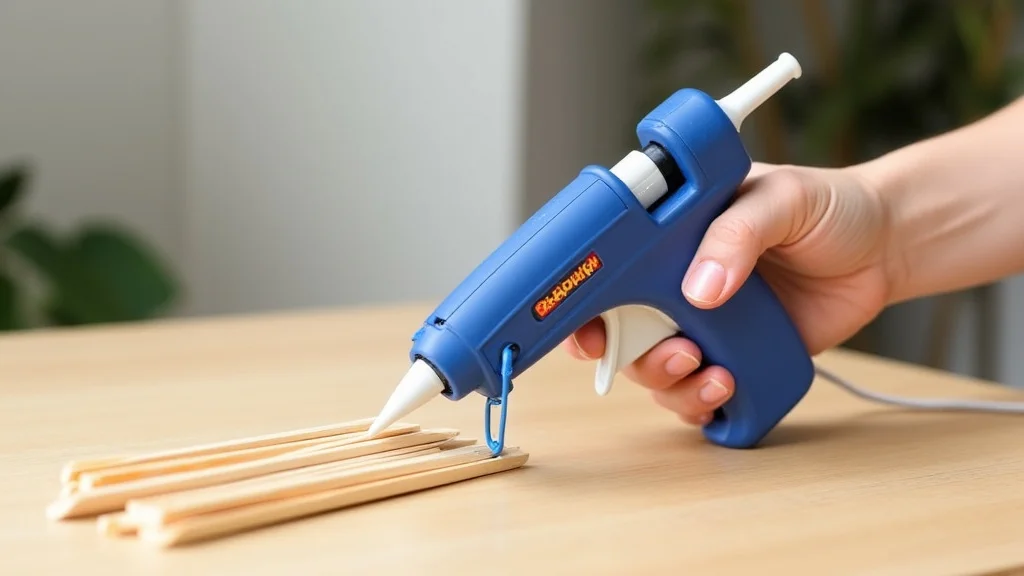
Remember that time your craft project fell apart mid-assembly? Yep, we’ve all been there! Choosing the right hot glue gun glue sticks can make or break your creations. This post is your go-to guide for everything you need to know about these essential crafting tools. You’ll explore the different types of glue sticks, how to pick the perfect ones, and how to use them safely and effectively. You’ll gain the skills to tackle any project with confidence, from simple repairs to elaborate DIY creations. This guide will save you time, money, and frustration, making your crafting experience enjoyable.
Key Takeaways
- Discover the various types of hot glue gun glue sticks available.
- Learn how to choose the right glue sticks for your specific projects.
- Understand the importance of glue stick size and temperature compatibility.
- Master the techniques for safe and effective glue gun use.
- Find out how to troubleshoot common glue gun issues.
- Explore creative project ideas using hot glue gun glue sticks.
Hot Glue Gun Basics
The hot glue gun glue sticks are the unsung heroes of countless DIY projects and household fixes. Their simplicity is part of their charm: insert a stick, plug it in, and squeeze the trigger. However, behind this simple operation lies a surprising level of science and artistry. The choices you make regarding the glue stick can significantly influence the outcome of your projects. Selecting the wrong type of glue stick can lead to weak bonds, messy results, and frustration. Understanding the fundamentals of glue guns and the various types of glue sticks is essential for achieving professional-looking results.
The Anatomy of a Hot Glue Gun
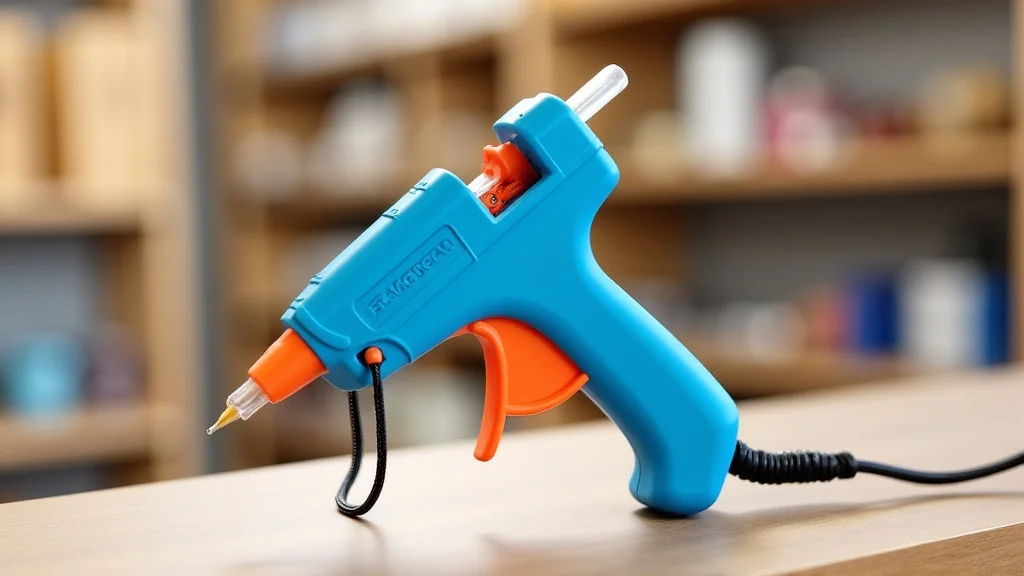
A hot glue gun is a straightforward tool, but its components work together to deliver the glue. Inside, a heating element melts the solid glue stick. A trigger mechanism then pushes the melted glue through a nozzle. The nozzle design varies, sometimes including interchangeable tips for different applications. The temperature control is also critical: low-temperature glue guns are best for delicate materials like paper, while high-temperature guns provide stronger bonds for wood and metal. Understanding these components enables you to use the tool more efficiently and safely.
- Heating Element: This warms the hot glue gun glue sticks to their melting point. The heating element’s temperature determines the suitability of the glue gun for different materials.
- Trigger Mechanism: This system pushes the glue through the nozzle. Trigger mechanisms often provide control over the amount of glue dispensed.
- Nozzle: The nozzle guides the melted glue. Some glue guns have interchangeable nozzles for varying applications, such as fine-point tips for detail work.
- Temperature Control: Controls allow you to select low or high settings. This control is important because it protects delicate materials.
Choosing the right hot glue gun depends on the nature of your projects. If you plan to work with paper, fabric, or other heat-sensitive materials, a low-temperature gun will be the best. For crafts and home improvement tasks involving wood, plastic, or metal, a high-temperature glue gun will be best. Consider the size of the projects: small projects require compact guns, while larger projects may be best done with a larger, more powerful gun.
Types of Hot Glue Guns
The market provides various hot glue guns, each with its features and uses. There are compact models for portability and precision, full-size guns that are best for large projects, and cordless models that give you freedom of movement. Some have dual-temperature settings, allowing versatility when working with various materials. Knowing the differences between these types helps you pick the right tool for your specific needs.
- Mini Hot Glue Guns: These are small, lightweight, and ideal for small projects and crafts. They heat up fast, and the compact size allows for precision in detailed work.
- Full-Size Hot Glue Guns: Larger, more powerful guns meant for bigger projects or frequent use. They offer higher temperature settings and dispense more glue, ideal for crafts or home repairs.
- Dual-Temperature Hot Glue Guns: These have settings for both low and high temperatures, providing versatility for various materials. You can easily switch between settings for paper to wood projects.
- Cordless Hot Glue Guns: These provide freedom of movement, operating on batteries. They are helpful for projects in areas without easy access to power outlets.
The best hot glue gun for you depends on what you do. For crafts, especially those for small items, a mini hot glue gun might be the right fit. For home repairs and large projects, a full-size or dual-temperature glue gun offers a good balance of power and adaptability. A cordless option adds convenience if you often move around your workspace or lack accessible power outlets.
Understanding Hot Glue Gun Glue Sticks
Selecting the right hot glue gun glue sticks is just as vital as choosing the correct glue gun. The variety of glue sticks available goes beyond color and diameter. Their composition significantly affects performance, bond strength, and the types of materials they can adhere to. Different projects need different types of glue sticks. So, from crafting to construction, knowing the characteristics of various glue stick formulas will make your project better.
Types of Glue Stick Materials
Hot glue gun glue sticks are available in several materials, each with unique properties that make them suitable for certain applications. These materials determine the stick’s flexibility, adhesion strength, and melting point. Understanding these differences allows you to pick the right glue sticks for your project. From the common all-purpose glue sticks to specialized options for specific materials, the materials used affect the outcome of your project.
- EVA (Ethylene-Vinyl Acetate): These are common for general projects. EVA glue sticks are flexible, have good adhesion, and work with most materials, including paper, fabric, and plastic.
- Low-Temperature Glue Sticks: Formulated to melt at a lower temperature, so these are suitable for heat-sensitive materials like foam and paper. They help minimize the risk of damage.
- High-Temperature Glue Sticks: Created for high-strength bonding on tough materials, like wood, metal, and certain plastics. High-temperature glue offers a stronger bond, which makes it ideal for more demanding applications.
- Specialty Glue Sticks: These include options like glitter glue sticks, which add a decorative touch to crafts, and wood glue sticks, designed to bond wood surfaces effectively.
The best type of glue stick relies on your specific project needs. EVA glue sticks are great for general crafting because they stick to various materials. If you work with delicate materials, choose low-temperature glue sticks. When tackling tasks that need a strong bond, pick the high-temperature alternatives. Specialty glue sticks, such as glitter or wood, should be considered for projects requiring unique decorative or structural characteristics.
Glue Stick Size and Compatibility
The size of your hot glue gun glue sticks plays a vital role. Glue sticks vary in diameter and length, and the size affects how quickly you can work. Choosing the right size ensures that the glue gun operates efficiently and provides enough glue for your project. The diameters generally follow standard sizes that are matched to the glue gun’s design. The length matters because it determines how long you can glue without reloading, thus affecting your overall workflow.
- Diameter: The most common diameters are 0.28 inches (7 mm) and 0.43 inches (11 mm). These sizes match standard hot glue guns, so you should ensure that the stick fits your specific gun.
- Length: Glue sticks come in various lengths, typically from 4 inches to 10 inches or more. Longer sticks offer more continuous use, reducing the need to reload frequently.
- Compatibility: Check your glue gun’s specifications to ensure compatibility with the glue stick diameter. Using the wrong size can lead to issues with the gun’s performance.
- Quantity: Consider how much glue you will need for your project. For large projects, buying glue sticks in bulk is wise to avoid running out.
When picking glue stick size, it’s best to check your hot glue gun manual to find out the compatible diameters. For larger projects, or if you plan to do frequent crafts, choose longer glue sticks or buy them in bulk. This will reduce interruptions caused by reloading. A perfect fit guarantees smooth operation and efficiency, letting you focus on your project.
Using Hot Glue Guns Safely and Effectively
Operating a hot glue gun safely and effectively is essential for both your projects and your well-being. Knowing the essential safety measures and using the right techniques can help you avoid burns, ensure a secure bond, and get the most out of your crafting tool. From preparing your work area to handling the gun and cleaning up, paying attention to these factors will make your projects run smoothly.
Safety Precautions
Safety should be your priority when working with a hot glue gun. These tools can reach high temperatures, which makes burns a real risk. Preparing your work area, using the gun properly, and taking care when handling the hot glue can prevent injuries and guarantee a safe crafting experience. Awareness of these safety measures helps you use your glue gun without risk.
- Wear Protective Gear: Protect your hands by using heat-resistant gloves. Safety glasses will keep your eyes safe from splashes.
- Work Area: Keep a clean workspace, away from flammable materials. Always use a protective mat to catch drips.
- Gun Handling: Never touch the nozzle or the melted glue. Do not leave the glue gun unattended while it’s plugged in and hot.
- Cooling and Storage: Allow the glue gun to cool completely before storing it. Store the gun in a safe place, out of reach of children.
- Ventilation: Work in a well-ventilated area to avoid inhaling fumes from the melting glue.
Following these safety measures will guarantee a safe and smooth experience using your hot glue gun. Using protective gear like heat-resistant gloves and safety glasses lowers the risk of burns and other injuries. A clear and safe work area minimizes the risk of accidents, and proper storage practices prevent potential misuse or accidental burns.
Techniques for Effective Gluing
The best hot glue gun glue sticks will fail if you don’t know the proper gluing techniques. From preparing surfaces to applying the glue and ensuring a strong bond, these techniques increase the quality of your work. By mastering these skills, you can ensure that your projects are durable and aesthetically pleasing.
- Surface Preparation: Make sure your surfaces are clean, dry, and free of dust or oils before gluing. This helps improve the bond.
- Application: Apply a sufficient amount of glue to the surfaces. Use the tip of the nozzle to get precise placement and control the flow.
- Bonding: Press the surfaces together immediately and hold them until the glue cools and sets. This ensures a strong bond.
- Multiple Layers: For intricate work, apply glue in small sections to keep the glue from cooling before bonding. This guarantees a stronger connection.
- Troubleshooting: If the glue does not stick, check the surfaces for cleanliness or change the temperature setting. Also, use a different type of glue stick if needed.
Following these techniques maximizes bond strength and precision in your projects. Preparing the surfaces properly is a key step, guaranteeing the glue adheres well. Applying glue efficiently helps avoid waste and guarantees even coverage. Quickly bonding the surfaces and controlling the glue flow adds to the bond’s overall quality.
Troubleshooting Common Issues
Like any tool, a hot glue gun can encounter problems. Knowing how to troubleshoot these problems allows you to make quick fixes and keep your projects on track. Knowing what to do can solve many issues, such as blocked nozzles, glue that won’t stick, and guns that don’t heat up correctly. These skills will help you maintain your tool and get the best results in your work.
Common Problems and Solutions
Dealing with common hot glue gun problems quickly stops frustration. These common issues can range from the glue gun not heating properly to glue drips or jams. Learning how to identify these problems and implementing solutions will guarantee that your crafting sessions aren’t interrupted. Many problems can be resolved with some basic troubleshooting.
- Gun Not Heating: Ensure the gun is plugged in and the power switch is turned on. If the gun still does not heat, it could be a faulty heating element.
- Glue Not Sticking: Ensure surfaces are clean. Try a different glue stick or adjust the temperature setting.
- Glue Dripping: High temperatures or using the gun for an extended time may cause this. Unplug the gun and let it cool.
- Clogged Nozzle: Remove the glue stick and use a small pin to clear the nozzle opening. This improves glue flow.
- Jamming: Use the proper size glue sticks. Remove any leftover stick pieces and ensure the trigger mechanism is clean.
Troubleshooting these common issues will help you fix many problems and make sure your projects run smoothly. If your glue gun isn’t heating up, check the power and the heating element. If the glue isn’t sticking, ensure the surfaces are clean, or switch to a different type of glue stick. Regular maintenance and quick troubleshooting will reduce downtime and increase project quality.
Maintaining Your Glue Gun
Proper care of your hot glue gun will improve its performance. Regular maintenance guarantees that your tool works well and lasts longer. Following these maintenance tips will keep your gun in top shape, ready for any project. Simple practices like cleaning the nozzle and storing your gun safely improve performance and prevent future issues.
- Cleaning the Nozzle: After each use, let the gun cool completely, and wipe away any excess glue with a damp cloth or a pin. A clean nozzle guarantees consistent glue flow.
- Removing Dried Glue: If glue has hardened inside, use a pin to clean the nozzle carefully. Be careful not to damage the nozzle opening.
- Storage: Store the glue gun in a dry place. Keep it away from dust and extreme temperatures.
- Inspection: Inspect the power cord and the gun’s body periodically for any damage or wear. This helps you catch potential issues before they become serious.
- Lubrication (If Applicable): Some glue guns need occasional lubrication of the trigger mechanism. Refer to your glue gun’s manual for specific instructions.
Regular maintenance will guarantee that your glue gun works efficiently and increases its longevity. Clean the nozzle to prevent glue flow problems. Store your gun correctly to prevent damage. Check for wear and tear, and do lubrication as needed to keep the tool in good condition. These small efforts help the tool function well for years.
Common Myths Debunked
Frequently Asked Questions
Question: What type of glue sticks work best for paper?
Answer: Low-temperature glue sticks are best for paper because they melt at a lower temperature and reduce the risk of scorching or damaging the delicate material.
Question: Can I use any size glue stick in my glue gun?
Answer: No, you should only use the size of glue stick that matches your glue gun’s specifications. Using the wrong size can cause jams or prevent the gun from working properly.
Question: Is it safe to leave a hot glue gun plugged in?
Answer: It’s best not to leave a hot glue gun plugged in and unattended. Always unplug it when not in use to prevent accidents or unnecessary energy consumption.
Question: How can I remove dried glue from surfaces?
Answer: For most surfaces, you can gently scrape off dried glue using a plastic scraper. For more stubborn residue, you might try using a heat gun on low or a solvent like rubbing alcohol, but always test on a small, hidden area first.
Question: Are there any glue sticks that are environmentally friendly?
Answer: Yes, there are eco-friendly glue sticks made from biodegradable materials. These are great choices for reducing your environmental impact while still enjoying the benefits of hot glue.
Final Thoughts
Choosing the right hot glue gun glue sticks is a key aspect of any successful crafting project or repair job. From understanding the different types of glue stick materials to knowing the proper techniques for safe and effective use, we’ve covered all the essential aspects. Armed with this knowledge, you are equipped to select the ideal glue sticks for your specific needs, whether you’re working on delicate paper crafts, sturdy wood projects, or anything in between. Remember to prioritize safety and maintenance to extend your tool’s lifespan and ensure that your creative endeavors are both enjoyable and successful. So, get creative, experiment with different materials, and bring your visions to life with the reliable bond of a well-chosen glue stick. Happy crafting!
Leave a Reply